Experiences

Memory in Stone: A Journey from Diyarbakır to Mardin Through Batman
When you walk through the streets of Sur in Diyarbakır, the city seems to reveal not its voice first, but its memory. The Syriac Orthodox Church of the Virgin Mary is one of the most vivid stops of this memory. Traditionally dated to the 3rd century, the structure is not only a place of worship for the Syriac Orthodox community, but also the center of a sense of belonging that has continued for generations. Within the complex are the Mor Jacob sanctuary, courtyards and additional structures. As you walk through its courtyards, you feel that this is not only a church but a living place where everyday life continues.
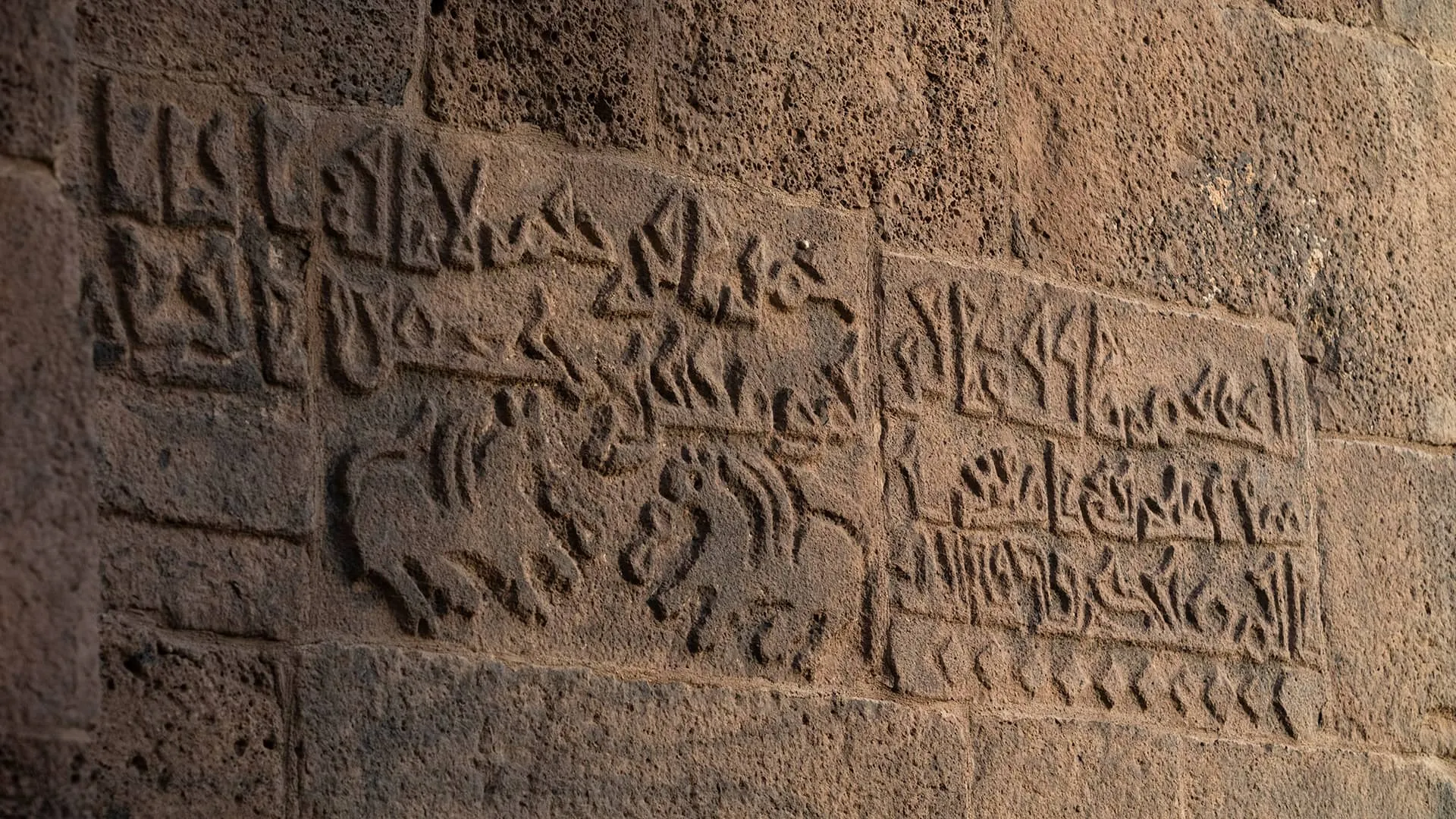
A few streets away from this quiet intensity, the Four-Legged Minaret of Sheikh Mutahhar Mosque invites you into a completely different story. According to its inscription, the mosque was commissioned in 1500 by the ruler of the Akkoyunlu State Sultan Kasım and takes its name from the tomb of Sheikh Mutahhar located on its grounds. Resting on four stone columns, the minaret is known in local narratives for its “legs,” said to symbolize the four schools of Islam. According to a belief, the wishes of those who pass beneath the columns seven times will come true. For this reason, people here do not simply take photographs; they also become part of a small ritual.
In the same area, the Mar Petyun Chaldean Church appears as a stop that completes Diyarbakır’s multi-layered map of faith. With its courtyards and residential quarters, it shows how worship and daily life intertwine. As you continue through the texture of Sur, the Surp Giragos Church opens another memory of the city. Restored and made visible again, the structure continues to exist today as a place that comes to life again with services held at certain times.
Traces of Settlement in Diyarbakır: Museum Complex
The route takes you to İçkale, the heart of Diyarbakır’s administrative and defensive memory. The story of the Diyarbakır Archaeology Museum also gains meaning here. According to official records, the city’s first museum opened in 1934 in the Zinciriye Madrasa near the Grand Mosque and, over the years, moved to different locations before reaching its present form. The complex in İçkale offers an experience that allows visitors to feel the city’s history not only in display cases but within the space itself. Right next to it, the Amida Mound is one of the most important archaeological sites revealing that settlement in Diyarbakır stretches back thousands of years.
The Peak of Artuqid Engineering: Malabadi Bridge
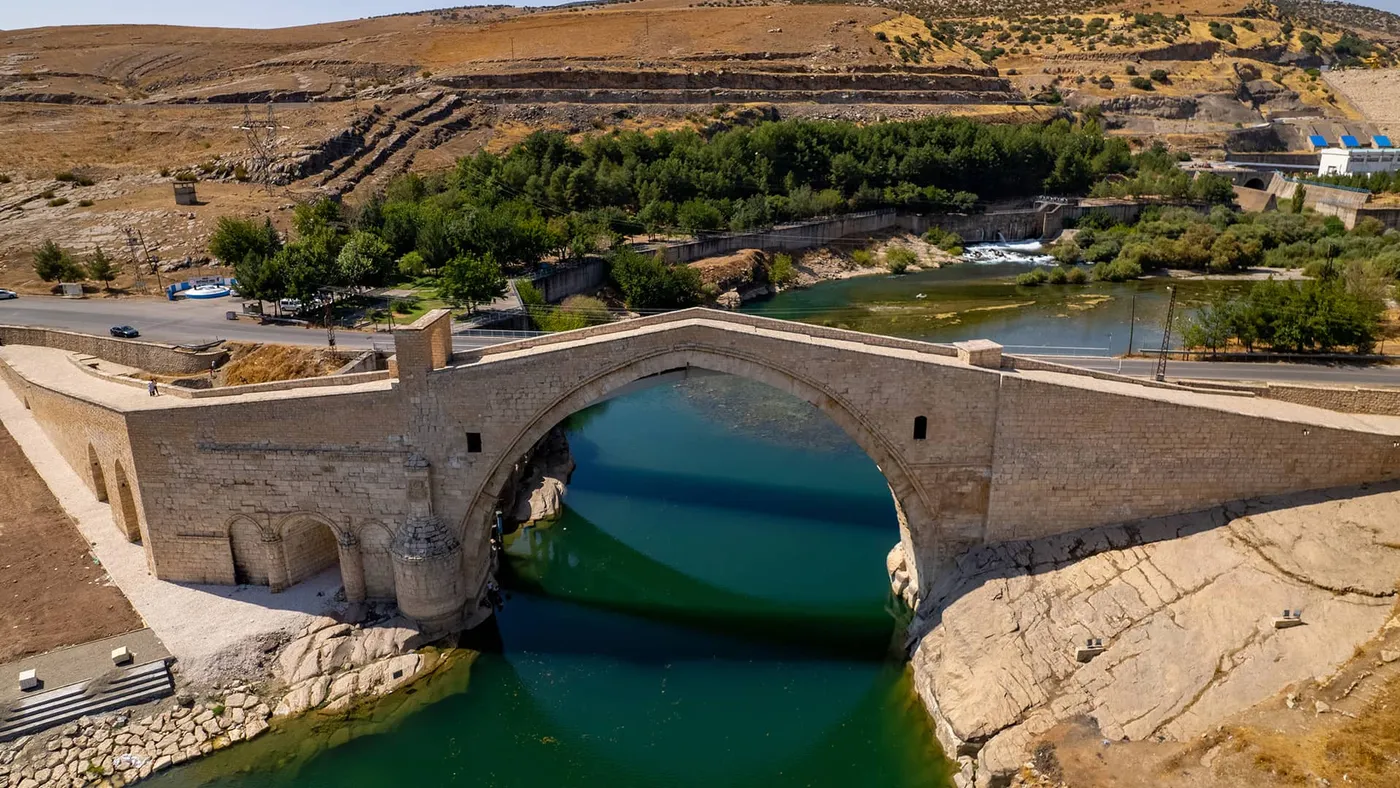
As you head from the city center toward Silvan, the landscape suddenly opens to the impressive architecture of Malabadi Bridge. Rising above the Batman River, Malabadi Bridge is one of the great engineering achievements of the Artuqid period. According to its inscription, the bridge is stated to date from 1147, and its main arch reaches an opening of approximately 40 meters. The chambers within the body of the bridge transform it from merely a crossing point into a place that also served travelers along their journey. The fact that it is included on the UNESCO World Heritage Tentative List further strengthens its value.
After Malabadi, the route shifts into a calmer tone and Mor Kuryakos Monastery becomes the strongest stop of this transition. Located on the slopes of Kıra Mountain, the monastery welcomes visitors with Syriac inscriptions at its gate and in its courtyards. The first inscription mentions Salibo of Aleppo, but it does not provide clear information about the exact construction date of the structure. The absence of a bell tower in the monastery also suggests that the building may date back to quite early periods.
From Exhibition to Experience: Encountering History in Batman
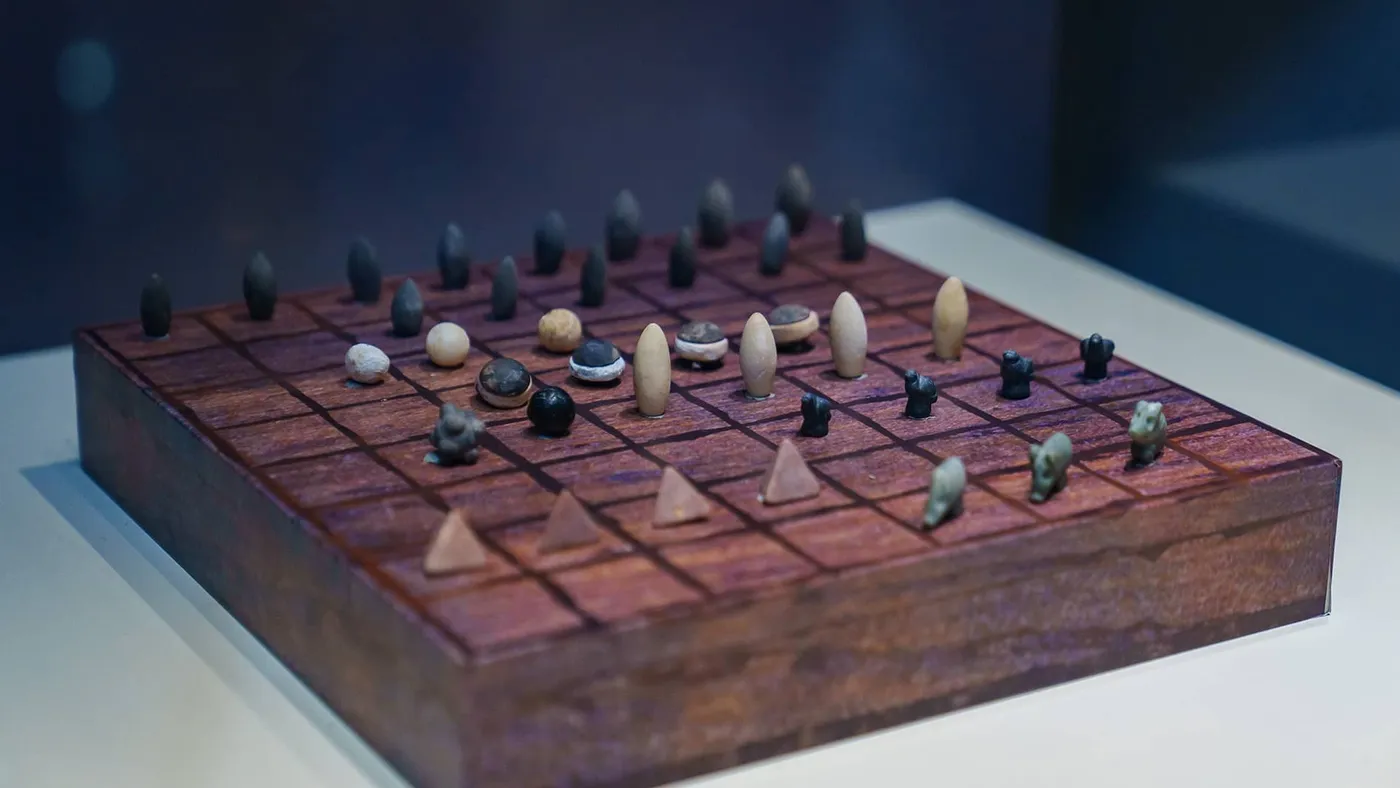
The Mehmet Cabir Alper Archaeology Museum brings together approximately 500 artifacts from a wide time span extending from the Paleolithic Age to the Middle Ages in three halls organized under the themes of the Paleolithic, Neolithic, Ilısu and Hasankeyf. What is most striking here is that many of the pieces displayed in the showcases were not removed from their places long ago but were rescued in a race against time. The traces of rescue excavations form the backbone of the collection. The museum also includes a projection area for documentary screenings, as well as a library and a restoration laboratory.
When you step into the museum garden, the story becomes even more tangible. Introduced as a first in Türkiye, the Museumpark approach invites visitors not only to observe but also to experience. House models, reconstructions, applied areas and simulations remind visitors that history can become an experience that can be touched on.
History Carved into Rock: Time in Hasankeyf
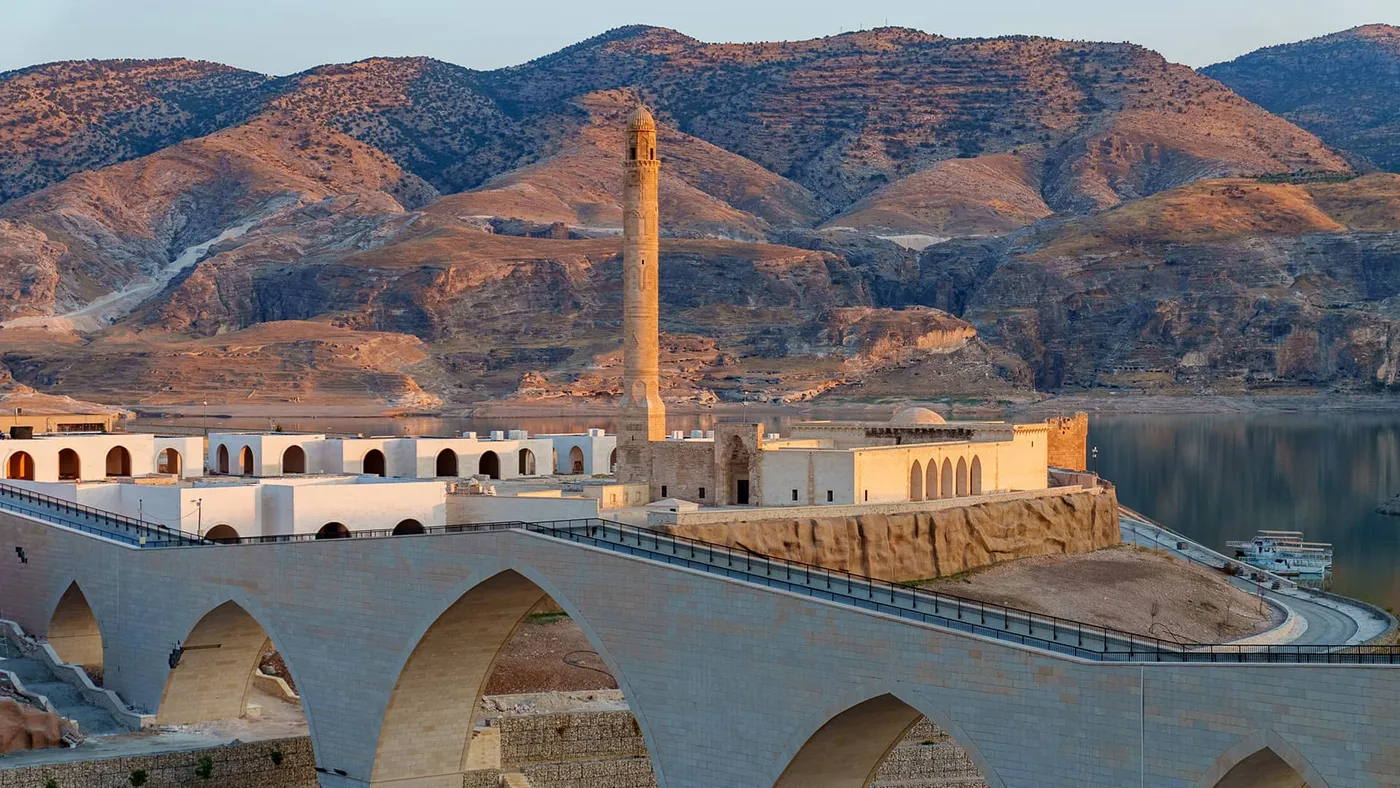
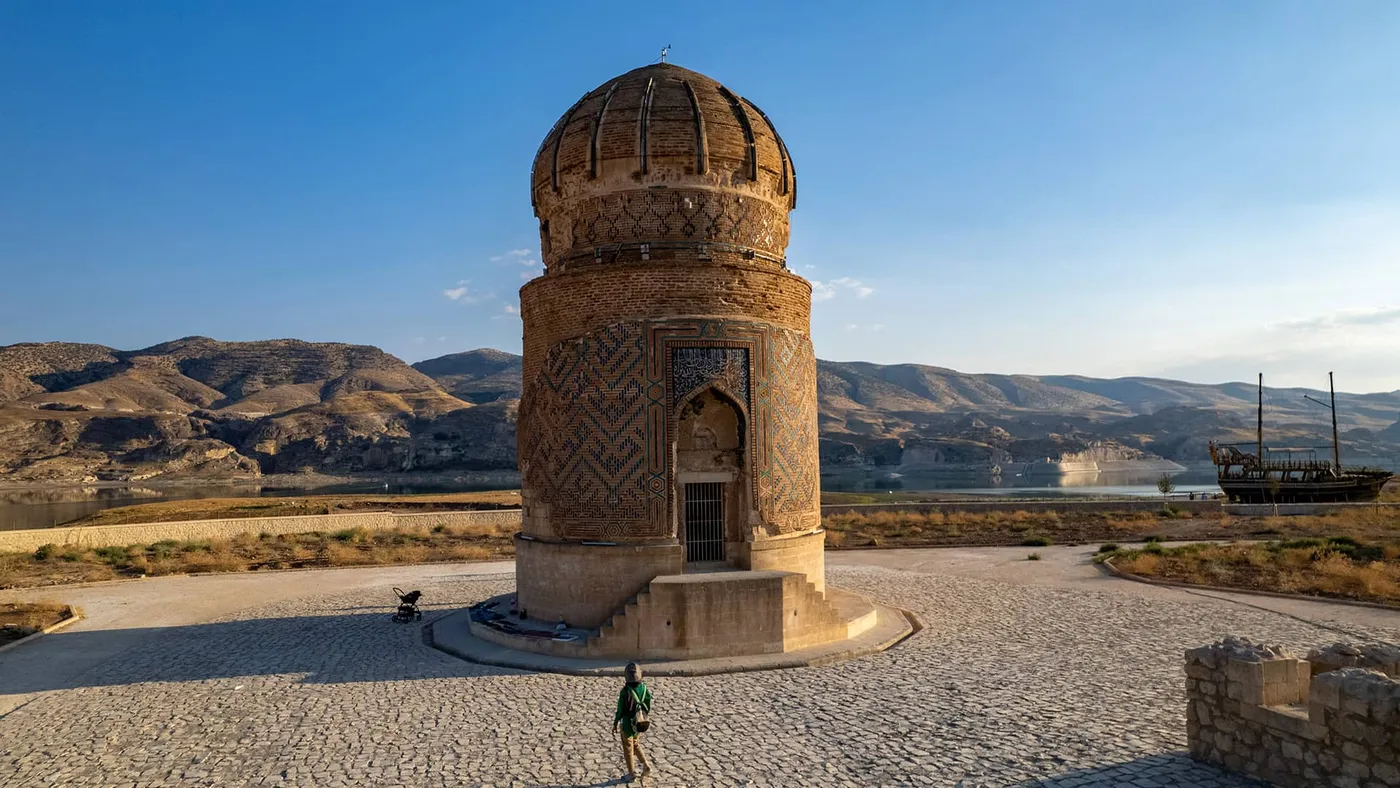
As you approach Hasankeyf along the banks of the Dicle (Tigris), the geography enlarges the narrative. Radiocarbon measurements taken from Neolithic layers in Hasankeyf pointing to the second half of the 10th millennium BCE show that this place has a scientifically traceable starting line. Rising above this line, Hasankeyf Castle stands on a massive rock formation and opens onto what feels like an upper city. The presence of civil and religious structures from different periods side by side within and around the castle makes Hasankeyf a place that bears witness not to a single era but to many different ages. The Hasankeyf Museum and the nearby Archaeopark show visitors more closely the preservation efforts carried out during the Ilısu Dam process. Within this area, the Zeynel Bey Tomb rises as one of the most striking symbols with its tiled silhouette.
Stone, Faith and Landscape: Turabdin
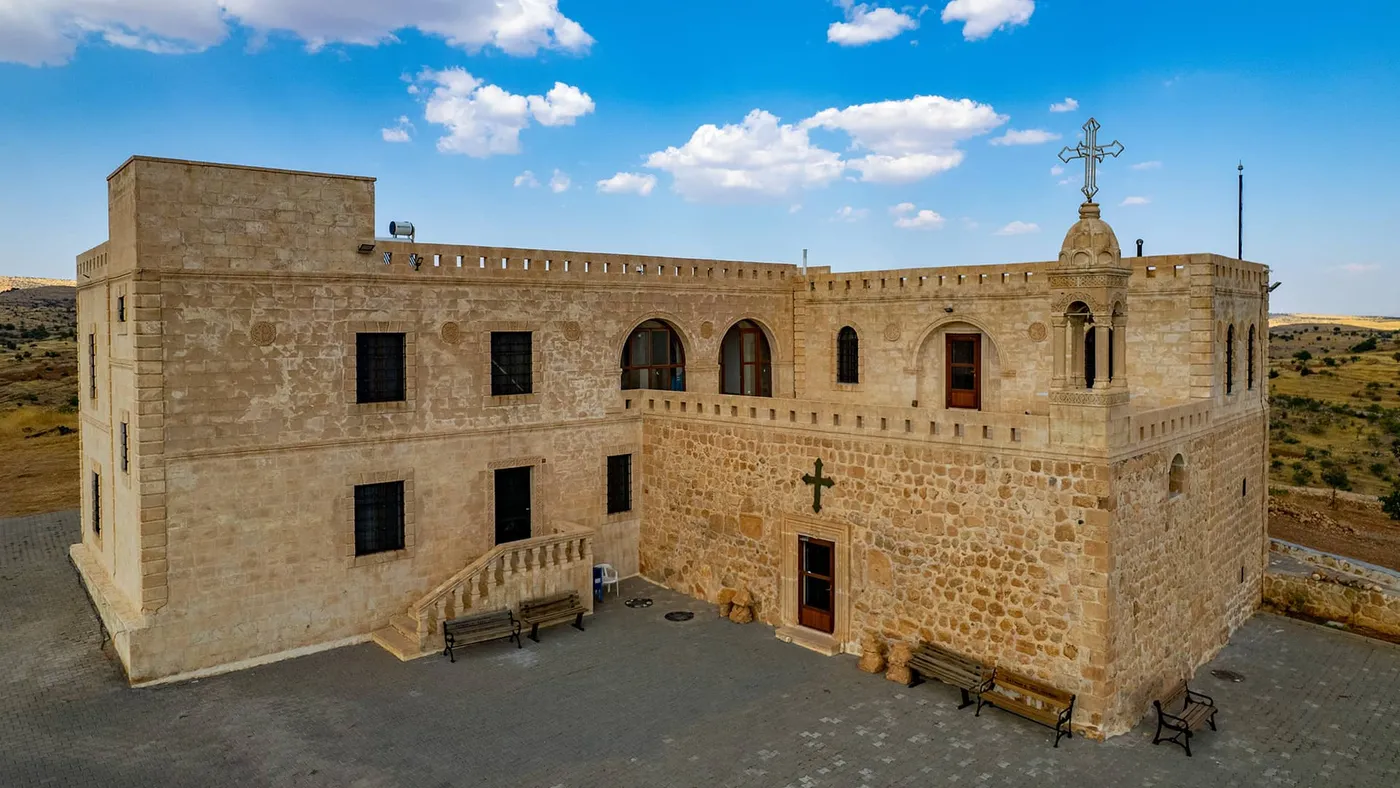
After Hasankeyf, the route takes a breath at a quiet stop overlooking the landscape from above. Mor Aho Monastery, near the village of Üçyol, stands on a plain overlooking the Dicle(Tigris), positioned above the river. Although its exact construction date is unknown, its restored form adds a sense of calm pause to the route.
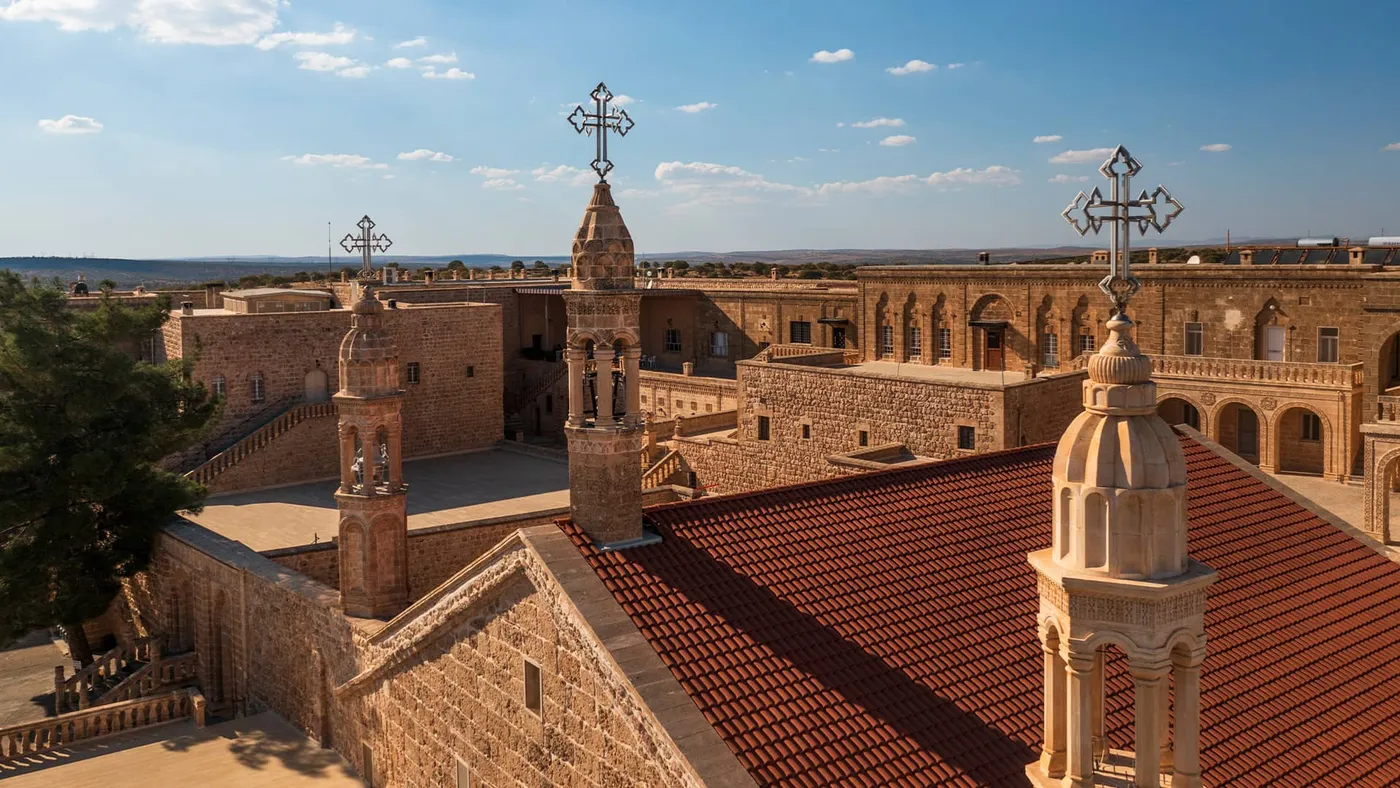
As the journey moves toward the heart of Turabdin, Mor Gabriel Monastery reveals the center of a monastic life that has continued for centuries. The settlements around Midyat, particularly Anıtlı Village, which was selected by the United Nations World Tourism Organization (UNWTO) for its "Best Tourism Villages 2025" list, transform this heritage from a single structure into a cultural landscape. The small settlements encountered along the route add different stops to the journey. Kıllıt, also known as Dereiçi, offers a short but refreshing pause with its cool stream bed and tranquil atmosphere.
The Meeting of History, Faith and Stone in Mardin
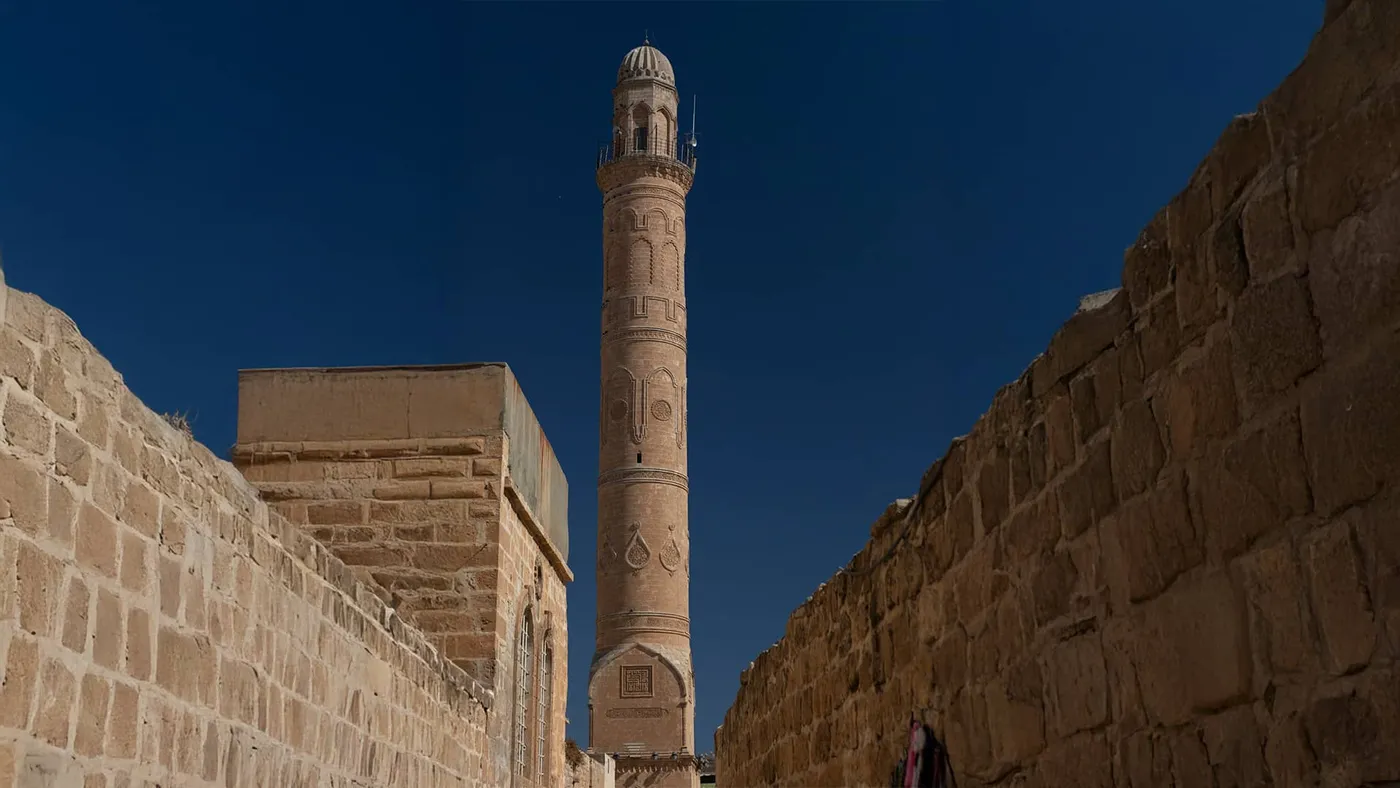
When you arrive in Mardin, the first stop is the Mardin Museum, which gathers the city’s archaeological memory under one roof. The flow it creates between different periods allows the city to be read not as a display arrangement but as a narrative. One of the symbols that best reflects the rhythm of the city is the Mardin Grand Mosque.
When you move a little beyond the city center, Deyrulzafaran Monastery adds a completely different depth to the route. With its courtyards, stone craftsmanship, printing history and interior details, this place becomes not only a site to visit but one to experience. In the city center, Mor Behnam, also known as the Church of the Forty Martyrs, stands out as one of the notable stops of the route with its delicate stone craftsmanship and impressive atmosphere. At the end of the day, when you reach Zinciriye Madrasa, the whole panorama of Mardin unfolds before you. The streets, monasteries and museums stretching below bring together the traces of this journey within the same landscape.