
Ezine Cheese
Ezine cheese is the first thing that comes to mind in our country when it comes to cheese. The story of Ezine cheese begins with milk. The milk used in Ezine cheese is sheep’s, goat’s and cow’s milk fed by natural plants and water sources in the Kaz Mountains (Kaz Dağları) of Çanakkale.
The Kaz Mountains (Kaz Dağları), which are a natural source of oxygen, bring abundant rainfall to this region and this rainfall provides the formation of hundreds of fragrant plants such as oregano, marjoram, downy mint, sage, thyme, lemon balm, thyme, which are unique to the region. All animals from which milk is obtained are fed naturally.
Bayramiç Beyazı
Bayramiç Beyazı is known as the endemic fruit of Kaz Mountains (Kaz Dağları). It is grown in 7 thousand decare area in Bayramiç district of Çanakkale for 3 periods. After the harvest period, it is exported abroad as well as to big cities such as İstanbul, İzmir and Ankara.
Çanakkale Olive Cultivation
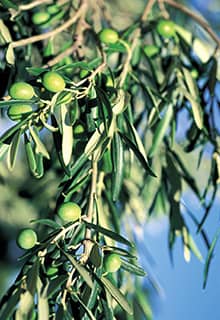
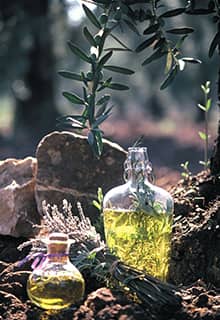
There are two types of olives in the agricultural fields in Çanakkale province, Olea europea oleaster (delice) and Olea europea sativa (ehli).
The first recorded olive cultivation activity in Çanakkale started with Ancient Greeks. (Gargara, Küçükkuyu, Assos in Ayvacık district). Olive cultivation has an important place in Çanakkale's agricultural activities and olive cultivation is carried out on a total of 27,175 hectares of area.
Sardine
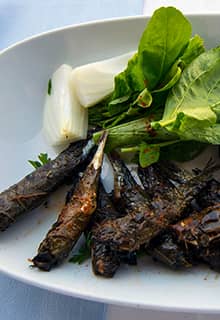
Sardine, which is said to be a fish called firefish because it is attracted to light like propellers and is attracted by burning brushwood in boats, is also known for being consumed as canned as well as being grilled in vine leaves.
The sardines processed in Gallipoli, which has an unrivaled place in Türkiye's sardine canning, are mainly sardines caught in the Dardanelles and Saros Gulf. Smaller than Mediterranean and Atlantic sardines, these sardines have the ideal dimensions and of course the taste for canned foods.
Gallipoli Peynir Helvası
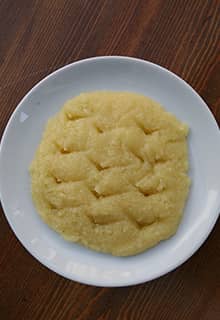
It is thought that the history of Gallipoli cheese halva dates back to about 700 years. It was also recorded as "Fresh Cheese Halva" in the Ottoman State Archives. The first dessert that comes to mind in Gallipoli district, Gallipoli cheese halva is a local flavor made with salt-free white cheese, flour and sugar.
Sour Grape Juice
Sour grape juice is produced by crushing unripen grapes. It is consumed like soft drinks, especially in the Aegean and Marmara, due to its cooling effect. It can also be used in place of lemon juice in many regions to add a sour flavor to olive oil dishes.
Scorpion fish Soup
This soup, which is prepared by the combination of scorpion fish and various vegetables, is one of the most important tastes of Çanakkale. With its high nutritional value and delicate taste, scorpion fish, is one of the trademark dishes of the Çanakkale area.
Ovmaç Soup
A small onion is cut into cubes, oil is added, and then fried. When the onion turns pink, a teaspoon of tomato paste is added. Later, 1.5 liters of water is added into this mixture and is left to boil without mixing.
On the other side, half a glass of water is added to a glass of flour in another pot and mixed for a few minutes until lumpy pieces are formed. In the meantime, the flour is freed from powder form.
Melki Mushroom Dish
It is prepared by roasting or frying Melki mushrooms, also known as pine mushrooms or chintar. It is one of the dishes that are easily prepared with little ingredients. This dish, which contains high amounts of calcium and protein, is one of the primary choices of vegan cuisines.
Çırpma
Çırpma is one of the dishes with spinach in the leading role. Çırpma which is prepared with spinach, onion, flour and water is also served as a snack.
Metez
Metez, which is identified with the Çanakkale region, is a type of ravioli. Although it is prepared with cheese or potatoes in some regions, it is made with minced meat in Çanakkale cuisine. It is served with yogurt and tomato paste sauce.
Tumbi
Tumbi is another local flavor of Çanakkale. Prepared with ingredients such as fine bulgur, eggplant and parsley, tumbi is first roasted in a pot and then placed in the oven. This flavor, which is roasted in a pan and then baked, is also crowned with olive oil and then served.
Bayramiç Tahini Halva
A geographically indicated delicacy from the fertile Bayramiç district at the foothills of the Kaz Mountains in Çanakkale, this halva is a deeply rooted gastronomic heritage with a history dating back nearly two centuries to the Ottoman era in the 1800s. The secret to its flavor lies in the rich tahini, produced by roasting premium local sesame seeds over wood fires and grinding them in stone mills. Free from artificial additives, the tahini is combined with sugar syrup and soapwort extract, then meticulously kneaded by master artisans using wooden paddles. Renowned for its crumbly, melt-in-the-mouth texture and intense sesame aroma, it remains a signature highlight of the regional culinary culture.
Gökçeada Efibadem Cookie
Rooted in the island's centuries-old local pastry traditions, the Efibadem Cookie is one of Gökçeada's most celebrated registered delicacies. The secret to this special treat lies in its generous use of rich, roasted local almonds instead of excess flour, and its exclusive use of pure butter. Free from margarine or artificial additives, the cookies are delicately dusted with powdered sugar right after baking. Renowned for its crumbly, melt-in-the-mouth texture and intense almond aroma, it stands as a signature culinary symbol of Gökçeada.
Biga Meatballs (Biga Köftesi)
The most prominent culinary symbol of the Biga district in Çanakkale—a region highly renowned for its livestock farming—Biga Köftesi is a geographically indicated local delicacy celebrated for its distinct flavor and natural ingredients. Its history dates back to the early 1900s, shaped by the recipes brought by migrating chefs and the deeply rooted meat-processing culture of the district.
The primary secret behind Biga Köftesi lies in the premium quality of meat obtained from cattle raised naturally in the lush pastures around the Kaz Mountains and the fertile Biga plains. The meatballs are prepared using specific cuts such as the rib, neck, and shoulder. After the meat is rested, it is kneaded simply with rock salt, a minimal amount of breadcrumbs, and a touch of onion, deliberately avoiding heavy spices or artificial additives to preserve the natural flavor of the meat. Grilled over oak charcoal on grooved grates to ensure a seared exterior and a juicy center, Biga Köftesi stands out for its high meat quality, light seasoning, and tender texture, making it a signature highlight of the regional culinary scene.
Bozcaada Jams
Crafted from fresh fruits grown in the fertile soils and unique Aegean climate of the island, Bozcaada jams are the sweetest symbols of the island's deep-rooted local culinary culture. Prepared entirely through traditional methods without any artificial additives, these jams are an indispensable highlight of authentic island breakfasts.
The most popular and signature variety among Bozcaada jams is the unique tomato jam, which beautifully reflects the island's historic viticulture and farming heritage. Made by peeling a specific type of tomato, removing the seeds, stuffing them with almonds, and simmering them in syrup, this distinct treat stands out for its light and aromatic flavor. Another island specialty is the delicate poppy flower jam, produced from hand-picked wild poppy petals during the spring, renowned for its vibrant color and floral notes. Along with these, locally made black mulberry, fig, and grape jams preserve the natural essence of the fruits, serving as the most popular culinary souvenirs for visitors exploring Bozcaada.
Melki Dish
Grown in the pine forests around Çanakkale and the foothills of the Kaz Mountains following autumn rains, the "melki" (wild milkcap) mushroom is one of the most distinctive natural delicacies of regional cuisine. Known for its high nutritional value and meaty texture, this wild mushroom is traditionally cleaned, chopped, and slowly sautéed with plenty of onions, olive oil, and tomato paste in its own juices. Preserving the mushroom's signature earthy aroma, this authentic dish is an indispensable part of Çanakkale's autumn gastronomy.
Çanakkale Tomato
Grown in the fertile soils of the region and officially registered with a Geographical Indication (GI) status by the Turkish Patent and Trademark Office, the Çanakkale Tomato is one of Türkiye’s most celebrated agricultural products. Renowned for its unique aroma and premium quality, it stands as a certified culinary brand.
The secret behind its exceptional flavor lies in the region's unique microclimate, shaped by the abundant oxygen from the Kaz Mountains, nutrient-rich soil, and steady north winds blowing through the Dardanelles. Characterized by its large, fleshy texture, minimal seeds, and perfect sugar-to-acid balance, this geographically indicated tomato is harvested in summer, serving as both the star of fresh salads and the essential foundation for traditional winter sauces and pastes.
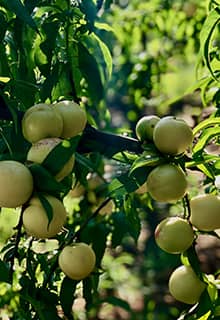
Bayramiç Beyazı
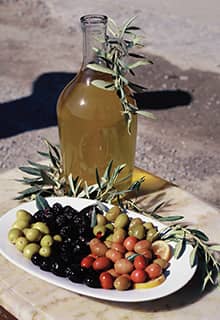
Çanakkale Olive Cultivation
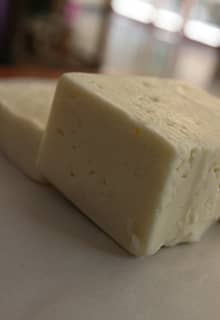
Ezine Cheese
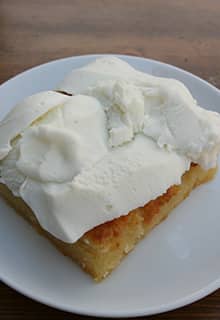
Gallipoli Cheese Halva
Çanakkale Olive Cultivation
Gallipoli Cheese Halva
Çanakkale Olive Cultivation
Sardine