
Exploring Turkaegean Cuisine: A Guide to Traditional Vegan Dishes and Plant-Based Food Culture
Turkish culture has been shaped by the bond between numerous societies in the fertile lands of Anatolia. While people from different nations lived together, their cultures, traditions, and cuisines intertwined with each other. This synthesis of cultures creates Turkish cuisine, a food culture with many dishes and authentic flavours. One of the important branches of this culture is the Turkaegean cuisine, which represents an excellent blend of food cultures, featuring plant-based dishes such as olive oil, mezes, stuffed leaves, stuffed vegetables, and legume recipes. As plant-based eating traditions are deeply rooted in this cuisine, Turkaegean cuisine perfectly complements a vegan diet with staple ingredients such as olive oil, fresh vegetables, and herbs. Here is a guide that helps you discover the plant-based and vegan-friendly Turkaegean cuisine in Türkiye and introduces its unique dishes:
1. Vegetables Braised in Olive Oil:
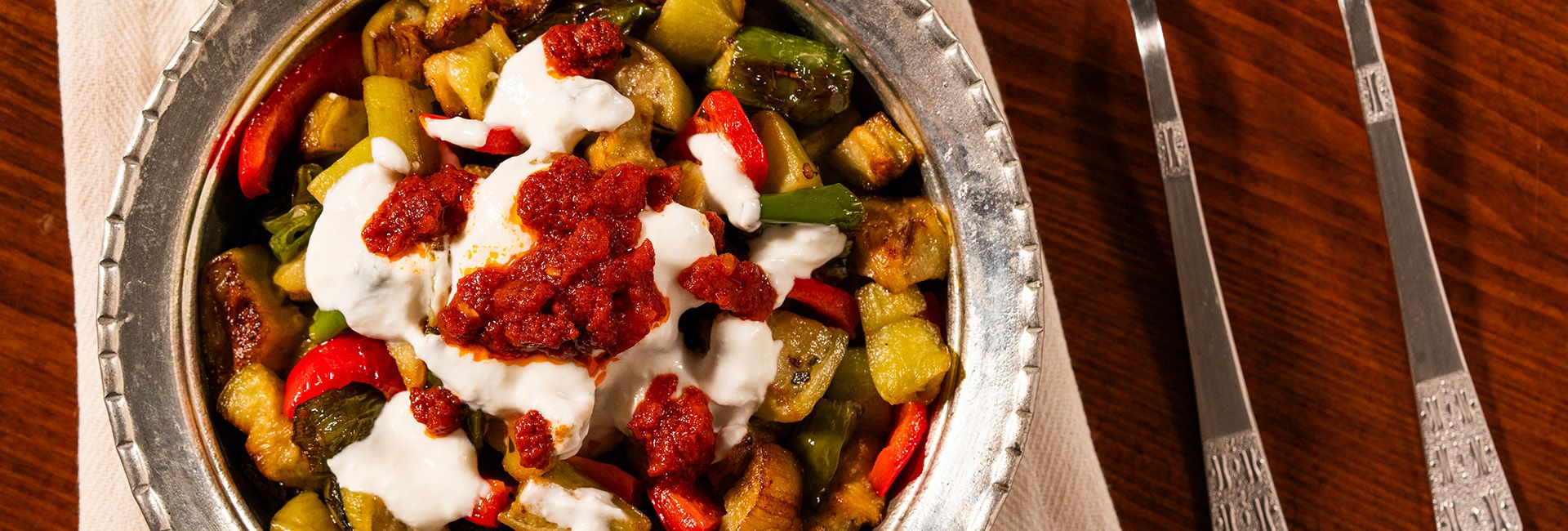
Vegetables braised in olive oil are one of the essential ingredients in Turkaegean vegan cuisine. These dishes have a simple and practical technique in which vegetables are sautéed with olive oil, garlic, onion, sometimes tomatoes, and fresh herbs. Although it has a small number of ingredients, its light and flavourful taste captivates the gastronomy lovers who try these delicacies. Olive oil recipes do not contain meat, eggs, or any animal-source foods, and they are completely suitable for a vegan diet. This cooking technique can be used on many vegetables, such as flat green beans, artichokes, carrots, eggplants, and zucchinis. These healthy, light, and nutritious recipes provide both flavour and visual appeal, captivating vegans with their rich ingredients and aesthetic food presentations.To discover the production, history, and significance of olive oil in Türkiye, along with popular olive oil recipes, be sure to check out this blog: Top Turkish Olive Oil Dishes.
2. Salads and Herb-Based Dishes:
The Aegean coast and its fertile lands, rich in olive trees and wild herbs, are warm with the hot and humid Mediterranean climate. This area features inspiring herb-based recipes and a unique, diverse fauna, including numerous herbs and foliage. Ebegümeci (mallow), deniz börülcesi (samphire), ısırgan otu (nettle), and radika (radicchio) are the most common and delicious herbs of the Turkaegean plant-based food culture.The wild herbs have different uses and cooking methods in Turkaegean vegan cuisine. They are usually cooked in olive oil with garlic, onion, and tomato. Also, they can be boiled up in salty water and topped with lemon juice, olive oil, and garlic. These herbs can be used in soups or combined with other vegetables to make a main dish. During the seasons when herbs are harvested, locals often use them fresh in salads. By using the cooking method of your choice, you can create wonderful vegan meals from the numerous herbs of the Aegean coast.For those interested, here is an article about authentic herbs, the most striking aspect of vegan and plant-based Turkaegean cuisine: Aegean Herbs in Turkish Cuisine.
3. Legume Dishes
Legume-based dishes are especially popular in the Aegean region due to hearty and healthy meals made from beans, lentils, and chickpeas. These legume dishes are not only flavourful but also reflect the region’s agricultural abundance, where legumes are a key part of the local diet, providing nutrition. Turkaegean vegan cuisine with its original recipes offers a wide variety of dishes from legumes, such as olive oil dishes, main dishes, or salads that are perfectly suitable for a vegan diet. Zeytinyağlı Barbunya (olive oil-cooked red beans) and kuru fasulye (white bean stew) are popular and well-known recipes of this cuisine. These hearty dishes of dry beans cooked with tomatoes and spices have simple ingredients, and the cooking process makes them a perfect option. Kısır, a refreshing bulgur salad with parsley, mint, and a tangy lemon dressing, is also a light yet filling meal. The hearty mung bean salad and chickpea salad, to which you can add your choice of ingredients, are modern and delicious options for vegans.
4. Mezes (Starters)
Mezes can be described as appetisers, including some legume-based and herb-based dishes. In the Aegean, they are served as an accompaniment to meals in small quantities for dinner or as a midday meal in summer. These common starters have a special place in Turkaegean vegan cuisine and also Turkish food culture.Since mezes are mostly made from legumes, herbs, or vegetables, they are perfectly suitable for a vegan diet. Fava from the legume dishes and samphire with olive oil dressing from herb-based dishes are the most common mezes in Turkaegean cuisine. Shakshuka is a unique flavour for the summer season with the perfect harmony of eggplant and tomato. Vegans can also enjoy mezes made with vegan yoghurt, such as carrot or zucchini with tarator sauce and haydari, using plant-based yoghurt alternatives where available.For more about mezes and their importance in Turkish food culture, check out our blog: Turkish Meze Mosaic: A Colourful Array of Tastes and Textures.
5. Dolma and Sarma
Dolma and sarma have a unique cooking technique that can be adapted to various vegetables or herb leaves. They are important dishes in Turkaegean vegan cuisine and are a great option for a vegan meal with their original flavours and aesthetic appearance. The classic stuffed grape leaves and stuffed peppers in olive oil, filled with rice, currants, pine nuts, and delicious herbs, will fascinate you. In addition to these two popular recipes, zucchini flower dolma and one of the famous dishes of Ottoman cuisine, sour cherry sarma, are also flavours you should definitely try.