
Sakarya is a fairly old city, which dates back to 8th century BCE. First to arrive were the Phrygians, Lydians, and Persians but Sakarya got its ancient identity from its Romans and Byzantine rulers, which is evident once you begin to travel around. One of the most important remains of historical significance is the Justinian Bridge (Beş Köprü), built by the Byzantine Emperor Justinian between 527 and 565 and is well worth seeing. Some of the other important historical attractions of the city are Orhan Mosque (Orhan Cami) , Uzun Bazaar (Uzun Çarşı), Sakarya Museum (Sakarya Müzesi), Rahime Sultan Mosque (Rahime Sultan Cami), Rüstem Paşa Mosque (Rüstem Paşa Cami), Kuvayi Milliye Museum (Kuvayi Milliye Müzesi), Seyifler Castle (Seyifler Kalesi), Harmantepe Castle (Harmantepe Kalesi), Paşalar Castle (Paşalar Kalesi), Elvan Bey Almshouse (Elvan Bey İmarethanesi), Çakırlar Mansion (Çakırlar Konağı) and Hisar Mansion (Hisar Konağı).
Justinian’s Bridge (Beş Köprü)
Justinian Bridge (Justinianus Köprüsü), built on Çark River (Melas Çayı), which drains the waters of Sapanca Lake (Sapanca Gölü) into Sakarya River, is one of the most magnificent structures in Anatolia of the Early Byzantine Period. Built by Justinian (527-565), this stone bridge is 365 meters long, 9.85 meters wide and has a total of 12 arches. Previously called "pons" (bridge) in Latin, the bridge did not have a specific name. Later, people who did not know that "pons" meant "bridge" in Latin perceived this word as a proper name and called the bridge as Pontogephyra meaning "Bridge of Pons". Later, this name turned into Pentegephyra (Five Bridges), but the bridge is neither five-piece nor five-arched in one form or another. Justinian’s Bridge was included in the UNESCO Tentative List of World Heritage in 2018.
Orhan Mosque
Orhan Mosque (Orhan Cami) was built by Konuralp Bey in the name of Orhan Gazi. The mosque, made of ashlar blocks, has no dome, a single minaret and a rectangular plan. It was completely renovated during the Sultan II. Abdülhamit’s reign. This mosque is a nice place for a short break in the hustle and bustle of daily life, with the Uzun Bazaar (Uzun Çarşı) right next to it, and places where people can shop, drink Turkish tea and eat simit.
Uzun Bazaar
It is located next to the Orhan Mosque (Orhan Cami), consists of about 100 shops and is one of the oldest and most established bazaars in the city from the Ottoman period. It is the main commercial center of the city and a very important shopping place for those who live in Sakarya and those who visit the city.
Sakarya Museum
In the garden of the museum, architectural pieces, tombstones, altars, inscribed stones, ossuaries, terracotta food jars and column bases belonging to the Roman and Byzantine periods are displayed. In the exhibition hall of the museum, archaeological artifacts from prehistoric times, Roman and Byzantine periods and ethnographic artifacts belonging to the Ottoman and Republican periods are exhibited. Archaeological artifacts include flat hand axes, terracotta pots, fragrance and perfume bottles, metal and glass artifacts. Among the ethnographic works, the goods used by Mustafa Kemal Atatürk, firearms and cutting weapons, copper pots, seals and handicrafts from the Ottoman and Republic periods are exhibited.
Sakarya Bridge (Old Sakarya Bridge)
Spanning the Sakarya River in the heart of Sakarya, the historic Sakarya Bridge (Sakarya Köprüsü) stands as an iconic structure representing both the region's transport history and the architectural heritage of the early Turkish Republic. Built between 1936 and 1937 under the direct orders of Mustafa Kemal Atatürk, the bridge has served as a primary crossing point and a defining landmark of the city ever since.
Although historically referred to as the "Trabzanlar Bridge" after an adjacent village documented in maps dating back to 1530 or the "Güneşler Bridge" due to the nearby district toward Adapazarı, it became most widely known simply as the "Sakarya Bridge." Today often called the "Old Sakarya Bridge" (Eski Sakarya Köprüsü) following the construction of modern spans, this historic arched structure remains an official symbol of the city, frequently featured in municipal emblems and logos representing Sakarya's rich identity.
Sheikh Muslihiddin Mosque
Located in the Kaynarca district of Sakarya, the Sheikh Muslihiddin Mosque stands as one of the most distinguished surviving examples of early Ottoman wooden architecture. Built in 1486 in honor of Sheikh Muslihiddin, one of the primary architects of Sultan Mehmed the Conqueror, this historic sanctuary represents an invaluable cultural treasure with a legacy spanning over five centuries.
The mosque was constructed using the traditional çantı technique a master woodworking method executed entirely without metal nails, relying instead on interlocking timber joints and wooden pegs. With its inter-beam spaces filled with solid logs and neatly clad in wooden planks, the building presents a completely timber-built aesthetic both inside and out, complemented by subtle Empire-style decorative motifs. Standing resilient through the centuries, this historic house of worship offers visitors a serene atmosphere and a rare glimpse into classical Ottoman craftsmanship.
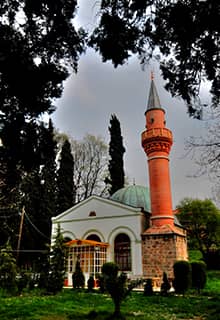
Rahime Sultan Mosque
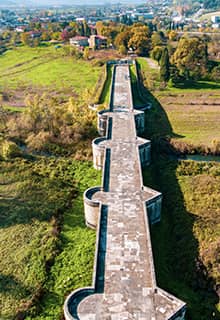
Justinianus Bridge
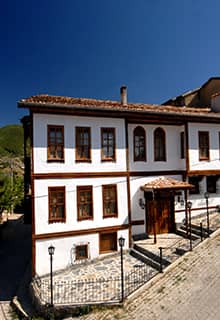
Çakırlar Konağı
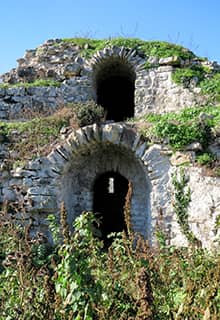
Harmantepe Castle
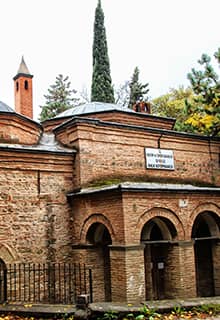
Elvan Bey İmarethanesi
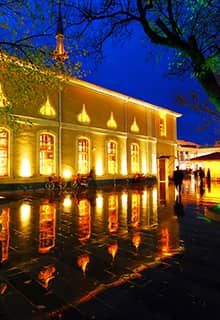
Orhan Mosque
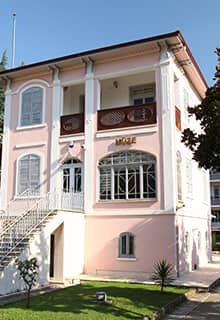
Sakarya Museum
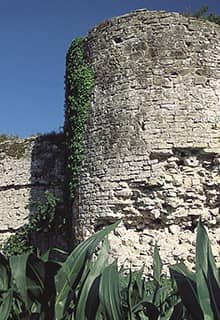
Seyifler Castle