
Kocaeli is known for its coast to the Black Sea and the Sea of Marmara and its proximity to İstanbul. It has become a center of attraction with its historical monuments, museums, mosques, natural beauties, beaches, plateaus and hiking trails. Kocaeli is a city of special importance in terms of trade, industry and tourism as well as many cultural values such as the world-famous Hereke Carpets, Karamürsel Baskets, Kandıra Cloth. Districts of Kocaeli are Gebze, İzmit, Darıca, Körfez, Gölcük, Derince, Çayırova, Kartepe, Başiskele, Karamürsel, Kandıra, and Dilovası.
Kartepe
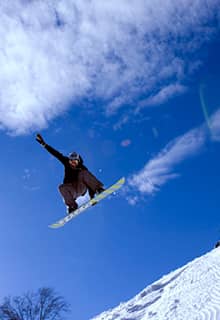
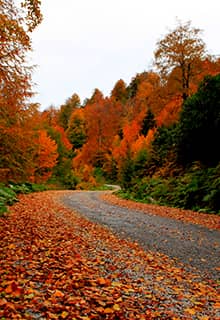
Kartepe is a district of Kocaeli. It’s at the highest part of the Samanlı Mountains (Samanlı Dağları); therefore, it has a magnificent view of İzmit Bay (İzmit Körfezi) and Sapanca Lake (Sapanca Gölü). In Kartepe, a great place for skiers, the season usually starts at the end of December. On the other hand, Kartepe which is the habitat of approximately 3000 plants as well as deer, bears, foxes, and rabbits, is one of Türkiye's sports tourism centers with its tennis courts, volleyball courts, and football fields with international FIFA standards.
Kefken
Kefken is located within the borders of Kocaeli and Kandıra districts. Kefken, which is only 20 kilometers from Kandıra, is a place that draws attention with its beaches, and pine forests. Another natural structure in Kefken is pink rocks. Kefken Pink Rocks are named after the color of the surrounding rocks. The rocks in this region, surprise those who see them with their geological structure. It is shown at the top of the must-see places with its interesting geological structure. Besides the existence of prehistoric finds, this place has been used as a quarry since ancient times.
Kerpe
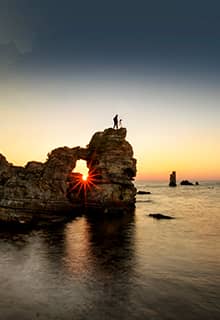
Kerpe, which is a small holiday town in Kocaeli's Kandıra district, is connected to Kerpe Kıncıllı Village. Kerpe's natural bays, shallow sea, and unique beaches make it an ideal holiday center for the summer months. There are many beaches and bays in the town. Since camping is the common accommodation option here, Kerpe is one of the popular camping areas of Türkiye.
Osman Hamdi Bey House and Museum
Osman Hamdi Bey Museum (Osman Hamdi Bey Müzesi) is located in Gebze district of Kocaeli. It was built in 1884 by the Turkish painter Osman Hamdi Bey. Osman Hamdi Bey's works, family photographs, and personal belongings are exhibited in the museum.
Darıca Faruk Yalçın Zoo and Botanical Park
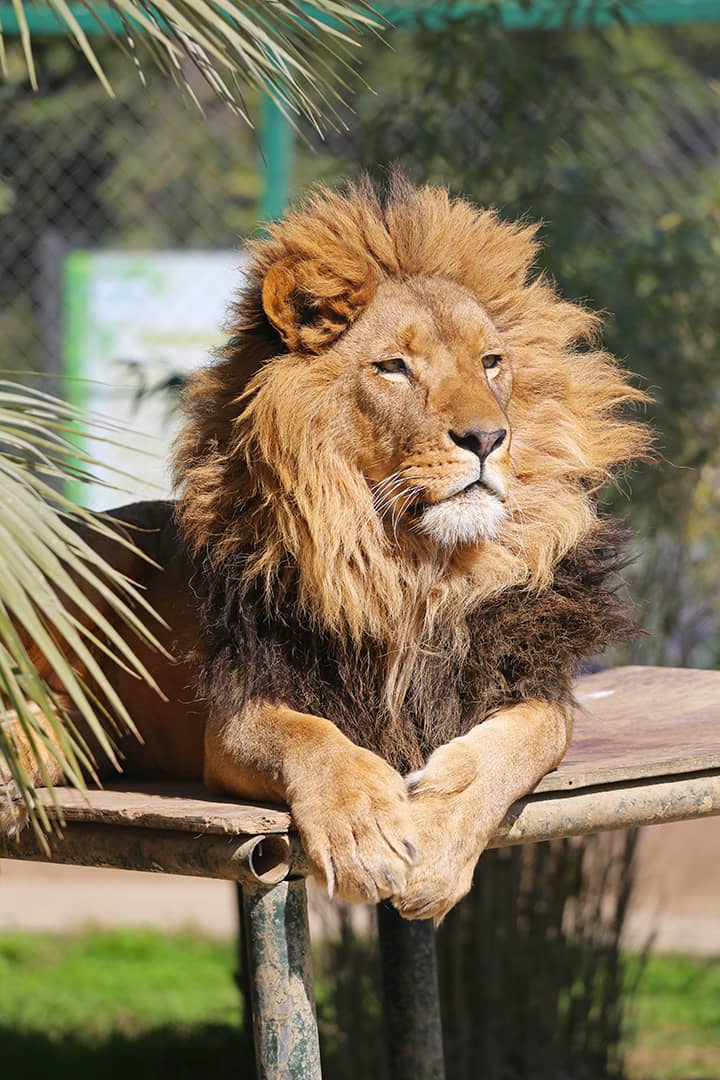
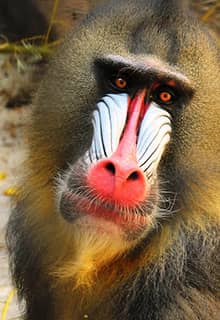
Türkiye's first private zoo, the “Faruk Yalçın Zoo and Botanical Park (Faruk Yalçın Hayvanat ve Botanik Bahçesi)” is located in Darıca district of Kocaeli. The zoo houses 3600 animals from 300 different species and 600 native plants. Visitors can see many plants, as well as unique and diverse animal species, thanks to the botanical park.
Pink Pavilion
Located in İzmit Yukarı Pazar, the Pink Pavilion (Pembe Köşk) is a 19th-century architectural building, it consists of three floors above the basement and is plastered over wood. The second floor of the pavilion, built in the form of a guillotine window, is protruded and supported by flanks.
İzmit Clock Tower
İzmit Saat Tower (İzmit Saat Kulesi) is located between Kasr-ı Hümayun Palace Museum and Atatürk Statue in Kemalpaşa district of İzmit. The city's characteristic Saat Tower was built in 1902 in neoclassical style with travertine stones.
Kocaeli Archaeological Museum
Kocaeli Archaeological Museum (Arkeoloji Müzesi), where artifacts from the Paleolithic, Hellenistic, Roman, Byzantine, and Ottoman periods are exhibited, is located in İzmit, Kocaeli.
Kasr-ı Hümayun Palace Museum
Kasr-ı Hümayun Palace Museum (Kasr-ı Hümayun Saray Müzesi)) is located in the İzmit district of Kocaeli. It is a palace built during the period of Sultan Abdulaziz (1861-1876). The palace served some Ottoman sultans and hosted many statesmen, as well as Mustafa Kemal Atatürk and the French writer Claude Farrare. The facade of the two-story Neo-classical building is covered with marble in the European baroque style. The visual on the ceiling of the building is the work of the French painter Sason, and the architect of the palace is Garabet Amira Balyan.
Atatürk Redif and Ethnography Museum
Atatürk Redif and Ethnography Museum (Atatürk Redif ve Etnografya Müzesi), which is a 19th century stone structure, is a magnificent structure that hosts local historical and cultural exhibitions. With its parapet top cover in neo-classical style and inscriptions coated with Ottoman arms, it is a typical example of the Empire style preferred in public buildings built in those years. The photograph of Mustafa Kemal Atatürk and his comrades and some letters Mustafa Kemal wrote about İzmit in 1922 are exhibited in the museum.
Kaiser Wilhelm Mansion
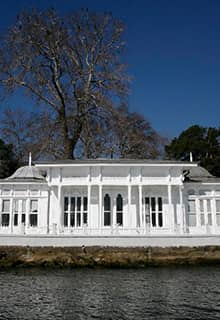
The Kaiser Wilhelm Mansion (Kaiser Wilhelm Konağı) was built in one day in Yıldız Palace due to German Emperor Kaiser Wilhelm's visit to the Ottoman Empire in 1884. The architect of the mansion is Raimondo D'Aranco of Italian origin. The mansion has a completely wooden construction and no metal nails were used. Kaiser Wilhelm Mansion can be visited in Kocaeli's Körfez district.
Süleyman Paşa Turkish Bath
Süleyman Paşa Turkish Bath (Süleyman Paşa Türk Hamamı) is known for being the oldest Ottoman period bath in İzmit that has survived to the present day. It preserves the Ottoman bath structure of the period.
İzmit Historical Kapanca Street
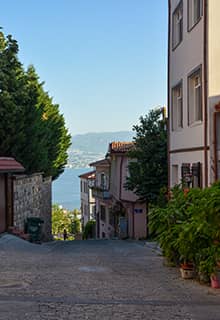
Historical Kapanca Street (Tarihi Kapanca Sokağı) is located in the Akçakoca District of Kocaeli. This street consists of wooden structures that bear the characteristics of 19th-century architecture. Each building on Kapanca Street, famous for its beautiful wooden houses in narrow streets, is an example of civil architecture and a work of its own. While many houses on the street are being restored, the old historical texture of these houses has been preserved.
Yalı Houses
Yalı Houses (Yalı Evleri) are located in Gölcük Değirmendere region. Yalı Houses has centuries-old history. These Yalı Houses, which are an example of civil architecture, are used as a Ceramic Museum (Seramik Müzesi), Wooden Sculpture Museum (Ahşap Heykel Müzesi), and library today, and have become a social and cultural complex. It is a place where you can taste local flavors thanks to its restaurant and boutique hotel facilities.
Gölcük Hot Spring
Gölcük Hot Spring (Gölcük Yazlık Ilıcası) is a healing spring located at a distance of approximately 500 meters from Yaz Village of Gölcük District of Kocaeli. It is the only health related building that is located on the Ilıca Streambed and remains from the Byzantine period today. It is known that the Gölcük Hot Spring was first built in the Roman period and was used as a health center in the Byzantine and Ottoman periods.
Ormanya Nature Park
Ormanya Nature Park (Ormanya Milli Parkı) is the world's third and Europe's largest natural habitat. Ormanya is located in Uzuntarla Quarter in Kartepe district of Kocaeli. Ormanya Nature Park consists of 6 main zones: Zoo, Wildlife Area, Hiking and Biking Trails, Caravan and Tent Campground, Nature School, and Wildlife Rescue Center. Ormanya hosts 467 animals from 53 different species. Among these, many species such as reindeer, gazelle, and roe deer continue their generations in their natural environment within the park.
Ketenciler Eco Village
Ketenciler Eco Village (Ketenciler Ekoköyü), known as Ecological Healthy Life Village, was established as a project village by women living in İzmit Kartepe Ketenciler Village who wanted to sell their products and contribute to home economy. It is also possible for visitors to buy local products produced organically in the “Ekoköy”, where both natural products are produced and accommodation and catering are available.
Maşukiye
Maşukiye is located on the shore of Sapanca Lake (Sapanca Gölü) and the foothills of Kartepe district. Maşukiye, which offers a different beauty in all seasons, is the green paradise town of Kocaeli, with an enchanting view of Sapanca Lake among lush green trees. One of the most beautiful spots of Maşukiye is the Kuzu Plateau (Kuzu Yaylası). This plateau, which you can reach while climbing towards Kartepe by putting Sapanca Lake behind you, offers a unique lake view. Maşukiye and its surroundings are very rich in terms of places to visit and activities to do. You can go on nature walks, listen to bird songs, and leave yourself in the arms of nature. If you wish, you can ski in Kartepe or take a romantic walk by the lake. You can rent a bicycle or canoe to go around the lake, and dine in the surrounding restaurants while enjoying this magnificent view of the lake.
Yuvacık Dam
Yuvacık Dam (Yuvacık Barajı) is located in İzmit district of Kocaeli province and is spread over an area of 25 square kilometers. You can find all-natural beauties together in Yuvacık. The whole region is surrounded with rivers, mountains, forests, and plateaus. Especially Menekşe Plateau (Menekşe Yaylası) fascinates those who see it with its lush nature. It is a fascinating place for all cyclists and trekking fans.
Serindere Canyon
Serindere Canyon (Serindere Kanyonu), which has 6 waterfalls with a height varying from 10 to 20 meters, is the most challenging canyon in Kocaeli and the region. Serindere Canyon, which is 26 kilometers from İzmit, is one of the places visited by nature lovers and trekking groups in recent years.
Ballıkayalar Nature Park
Located within the borders of Kocaeli province, Gebze, and Dilovası districts, Ballıkayalar Nature Park (Ballıkayalar Doğa Parkı) is rich in geomorphological, biological, landscape, and recreational resource values. Ballıkayalar is a nature park as it hosts many creatures such as hawks, jays, hoopoes, nightingales, jackals, foxes, rabbits, wild boars, and moles. It includes oak, hornbeam, chestnut, maple, ash, linden, yew, Scotch pine, fir, alder, willow, and sycamore species. In addition, there are nearly 50 butterfly species in the region. It is also a suitable location for rock climbing and trekking. It is an alternative natural park among naturalists.
Beşkayalar Nature Park
Beşkayalar Nature Park (Beşkayalar Doğa Parkı) is a favorite place for nature lovers and nature itself with its flora, wildlife, wilderness and streams. In this region, in addition to Christmas rose, cyclamen, snowdrops, violets, primroses, crocuses, ox's eyes, bellflowers, euphorbia, centaury plants, there are also plant species such as larch, yew, fir, beech, oak, hornbeam, maple, elm, lime, chestnut, ash, poplar, sycamore, alder, blackberry, and rhododendrons. Important members of wildlife such as wolves, bears, jackals, foxes, wild boar, rabbits, and squirrels also create a very rich potential. Sicakdere, Soğukdere, and Kirazlıdere Canyons are also located in Beşkayalar Canyon.
Nüzhetiye Waterfall
Nüzhetiye Waterfall (Nüzhetiye Şelalesi), located in Kocaeli Gölcük district, which has recently become the choice of trekking groups, makes those who see it fall in love with its beauty. Nüzhetiye Waterfall offers nature lovers an unforgettable adventure and photographers great nature shots. There are thematic tracks for trekking enthusiasts, daily hiking trails for hiking enthusiasts, canyon passes in valleys for canyon enthusiasts, and mountain bike trails for mountain bike enthusiasts.
Other places to see
Valide Sultan Bridge (Valide Sultan Köprüsü), Kilezdere Bridge (Kilezdere Köprüsü), Mimar Sinan Bridge (Mimar Sinan Köprüsü) are stone bridges built in the 16th century during the Ottoman Period.
İzmit Orhan Mosque (İzmit Orhan Cami), Fevziye Mosque (Fevziye Cami), Pertev Pasha Complex (Pertev Paşa Külliyesi), Gebze Çoban Mustafa Pasha Complex (Gebze Çoban Mustafa PaşaKülliyesi) are other religious sites.
Kocaeli Special Ottoman Daily Life Museum
Located in the Kartepe district of Kocaeli, opposite the historic Hikmetiye Mosque, the Special Ottoman Daily Life Museum was established to showcase late Ottoman everyday culture. Officially certified with "special museum" status by the Ministry of Culture and Tourism, this two-story space features over 150 ethnographic artifacts organized around themes such as dining etiquette, coffee culture, traditional attire, and marketplace life. Enhanced with wax figures, period items, and a courtyard with historical stone artifacts, it offers visitors an authentic glimpse into the domestic history of the Ottoman era.
Seka Paper Museum
Located in the İzmit district of Kocaeli, the Seka Paper Museum was established through the transformation of the historic SEKA Paper Factory, one of Türkiye’s pioneering industrial complexes. Opened in 1936 as the first paper manufacturing facility of the Republican era, the factory was preserved after ceasing operations and redeveloped as one of the country's largest industrial heritage museums.
Spanning an area of approximately 12,000 square meters, the museum chronologically details the history of paper from antiquity to the modern era, alongside the story of Türkiye's paper industrialization. Featuring original production machinery, massive cellulose boilers, printing equipment, factory archives, and period artifacts, it operates as a dynamic cultural institution. With its hands-on papermaking workshops, exhibition halls, and educational spaces, the Seka Paper Museum serves as a vital landmark preserving the industrial memory of Kocaeli.
Calligrapher Ali Vasfi Izmidi Islamic Calligraphy Museum
Located within the authentic historic texture of Kapanca Street in the İzmit district of Kocaeli, the Calligrapher Ali Vasfi Izmidi Islamic Calligraphy Museum (Hattat Ali Vasfi İzmidi Hüsn-i Hat Müzesi) was established to preserve and promote the art of Hüsn-i Hat (Islamic calligraphy), one of the most elegant branches of traditional Turkish-Islamic arts. The museum is named after Ali Vasfi Efendi, a renowned 19th-century calligrapher born in İzmit who made significant contributions to the field.
Housed in a restored historic building reflecting Ottoman architectural heritage, the museum displays rare calligraphic panels written in various classical styles, calligraphic diplomas (ijazah), manuscript Quran pages, and traditional tools used in the craft (reed pens, inkwells, treated paper, burnishers, etc.). Honored with an award by the Union of Historical Towns for its meticulous restoration, contribution to urban cultural heritage, and dedication to keeping calligraphy alive, the museum stands as a prestigious cultural destination introducing the fine subtleties of calligraphic art to its visitors.
Kocaeli Museum Ships
Moored along the İzmit coastline at the İzmit Marina in Kocaeli, the Gayret Museum Ship and Hızırreis Museum Ship form one of Türkiye's most prominent floating museum complexes, showcasing Turkish maritime history, naval defense heritage, and underwater warfare. Following decades of honorable service in the Turkish Naval Forces, these retired vessels were preserved and opened to the public through a collaboration between the Kocaeli Metropolitan Municipality and the Turkish Navy. Within the complex, TCG Gayret—a historic destroyer dating back to the World War II era—allows visitors to explore every section of a military warship, from the captain's bridge and combat center to the engine rooms and crew quarters. Meanwhile, the historic submarine TCG Hızırreis, which served for over a quarter of a century, offers a rare, immersive look into torpedo rooms and the tight living quarters of submarine crews. Enriched with scale vessel models, lifelike crew figures, and authentic navigation gear, this floating heritage serves as a unique destination connecting audiences with maritime traditions.
Eskihisar Castle
Perched on a steep hill overlooking the Sea of Marmara in the Gebze district of Kocaeli, Eskihisar Castle was constructed in antiquity to control the southern naval passages of the Gulf of İzmit and protect the adjacent harbor. Estimated to have been built during the Eastern Roman Empire, the fortress consists of two main sections—an inner and outer castle—and features a rectangular layout supported by formidable defensive towers. Maintaining its strategic importance into the Ottoman era, the castle also served as an artistic motif for the famous painter Osman Hamdi Bey.
Beyond its military architecture, the castle houses remarkable historical and cultural features, including an 8-column, 15-domed Eastern Roman cistern and a 1,025-capacity amphitheater. Bridging the past and present through concerts and cultural events held at its entrance, the fortress offers visitors a rich cultural and visual experience framed by sweeping views of the gulf.
Hereke Castle
Situated on a strategic hill commanding the Gulf of İzmit in the Körfez district of Kocaeli, Hereke Castle stands as one of the region's most significant historical defensive structures, boasting a legacy of roughly 1,400 years. Estimated to have been constructed in the 640s during the Eastern Roman period, the fortress played a crucial role in coastal defense and monitoring regional trade and travel routes.
Historical records note that during Orhan Gazi's conquest of İzmit, fleeing refugees sought shelter within the secure walls of Hereke Castle. Upon learning of the situation, Orhan Gazi appointed Commander Ali Bey to capture the stronghold, successfully annexing the castle into the Ottoman Principality in 1326. Celebrated in the famous travelogues (Seyahatname) of Evliya Çelebi, this ancient landmark has been meticulously restored. Today, with its reconstructed ramparts, towers, and panoramic observation points, Hereke Castle offers visitors a captivating blend of deep historical heritage and sweeping views of the gulf.
Imre Thököly Memorial House
Located in the Kartepe district of Kocaeli, the Imre Thököly Memorial House (Thököly İmre Anı Evi) is a dedicated museum established to commemorate Count Imre Thököly—a prominent hero of the Hungarian National Liberation Movement—and his wife, Ilona Zrínyi. Leading the Hungarian resistance against Habsburg rule, Thököly sought the protection of Ottoman Sultan Mehmed IV in 1697, seeking refuge in the Ottoman Empire alongside his family and nearly 2,000 followers.
The Ottoman State granted Thököly and his supporters permission to settle in Karatepe Village within the Kartepe district, where the Hungarian leader spent his final years. Opened with the contributions of the Turkish Ministry of Culture and Tourism and the Hungarian Ministry of Culture, the memorial house exhibits historical artifacts from his era, including commemorative coins, official documents, historic currency, and period weaponry. Standing as a lasting symbol of Turkish-Hungarian cultural diplomacy, the memorial house remains one of Kartepe's most significant historical landmarks.
Hannibal Monument
Located within the grounds of the TÜBİTAK Marmara Research Center in the Gebze district of Kocaeli, the Hannibal Monument (Hannibal Anıtı) is a grand commemorative structure erected in honor of Hannibal Barca, one of antiquity's greatest military strategists and Carthaginian commanders. Renowned for his legendary campaigns against the Roman Republic during the Second Punic War, Hannibal spent his final years seeking refuge in the Kingdom of Bithynia, where he chose to end his own life by poison near present-day Gebze in 183 BC to avoid capture by the Romans.
The monument owes its creation to Mustafa Kemal Atatürk, the founder of the Republic of Türkiye, who in 1934 expressed a desire to locate Hannibal's grave and erect a memorial in his honor. Realized in 1981 by the Ministry of Culture, the monument complex features a massive monolith weighing nearly 900 tons, adorned with a portrait relief of Hannibal and inscriptions recounting his life and military achievements. Set within a tranquil park setting, the monument honors a monumental figure of world military history while highlighting Gebze's deep historical connection to antiquity.
Hünkâr Meadow and Fountain
Located in the Gebze district of Kocaeli, the Hünkâr Meadow and Fountain (Hünkâr Çayırı ve Hünkâr Çeşmesi) represent a highly meaningful historical site that witnessed a critical turning point in Ottoman history. On Friday, April 27, 1481, Sultan Mehmed the Conqueror (Fatih Sultan Mehmet) set up his royal camp and halted with his army on these grounds during his final campaign toward Italy. Due to the presence of the imperial tent, the open field was named "Hünkâr Çayırı" (The Sovereign's Meadow).
Following the death of Fatih Sultan Mehmet at this very location on May 3, 1481, an inscribed commemorative fountain was later erected in his memory. The Hünkâr Fountain was constructed in 1659 during the reign of Sultan Mehmed IV by Grand Vizier İbrahim Pasha. Today preserved as a memorial park and historic site, Hünkâr Çayırı honors the legacy of Sultan Mehmed II, offering visitors an open-air historical atmosphere connected to one of the most poignant moments in Ottoman history.
Hikmetiye Mosque
Located in the Kartepe district of Kocaeli, Hikmetiye Mosque was built in 1899 by the decree of Sultan Abdülhamid II. The land was donated by Habibe Hanım, a palace official, in memory of her son who was martyred in the Ertuğrul Frigate accident. Constructed with contributions from both the imperial treasury and local villagers, the mosque has remained open for worship continuously since its inauguration. After sustaining damage over time, it was officially registered as a protected cultural heritage site in 1982 and fully restored to its original structure in 2014.
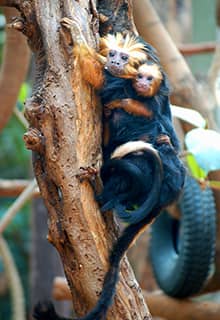
Darıca Faruk Yalçın Zoo and Botanical Park
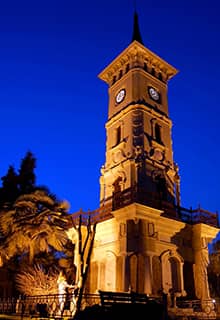
İzmit Clock Tower
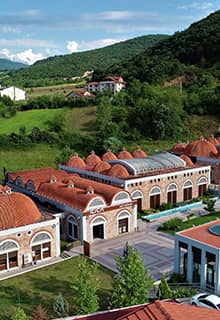
Summer Spa
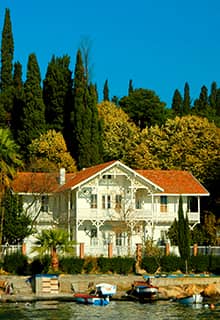
Osman Hamdi Bey House and Museum
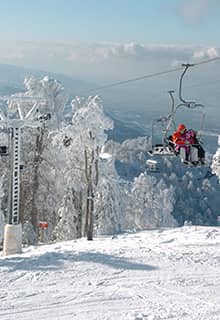
Kartepe
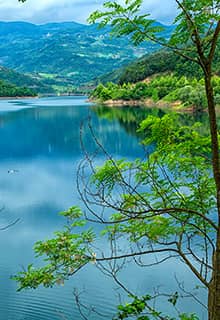
Yuvacık Dam
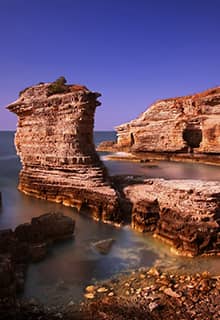
Kerpe
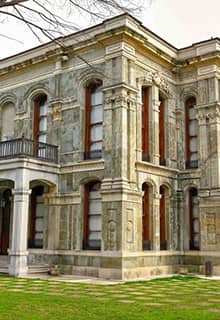
Kasr-ı Hümayun Palace Museum
Kartepe
Kaiser Wilhelm Mansion
Darıca Faruk Yalçın Zoo and Botanical Park
Kartepe
İzmit Historical Kapanca Street
Darıca Faruk Yalçın Zoo and Botanical Park
Darıca Shore Sunset
Kerpe