
Kırklareli has a great richness in terms of gastronomy and food culture. Agricultural products, meat products and seafood from the region are the source of the local cuisine. Agricultural products such as wheat, sunflower, sugar beet, pumpkin, potato, corn, dry beans, barley, grape, tomato and pepper grown in the region are the main cooking ingredients of the local cuisine.
As a result of this diversity and richness of the local products; the city offers its visitors different flavours to suit every taste: local fishes such as turbot, red mullet, haddock, anchovies, horse mackerel, bonito, blue fish, yellow wing bluefish, mulberry, catfish which are served according to the season in the seaside restaurants in İğneada and Kıyıköy. A variety of delicacies like meatballs, sucuk (dried sausage), cheese and yoğurt are prepared everywhere in the city, as well as the traditional hardaliye drink, and more than 100 desserts.
Papara
Prepared by soaking stale bread with butter and broth, Papara is a characteristic Rumelian dish. Optionally, it is possible to add flavour by adding meat or chicken pieces or curd cheese.
Onion Pide
Another immigrant dish, onion pide is one of Kırklareli's most well-known pastries. This pide, with usually onion in the leading role, can be consumed both hot and cold. You can add ground beef, tomatoes and parsley to the pide.
Manca
Manca, a popular appetizer from Rumelia cuisine is prepared with eggplant, green pepper, red pepper, grape vinegar and olive oil.
Tavuklu Kalle
Kalle is a popular dish unique to Kırklareli. Prepared with white cabbage, pickle juice, chicken breast, bulgur or rice, this dish is indispensable for the winter months. The pickle and pickle juice used in its preparation give it its local identity. Although chicken breast is stated in this recipe, village cuisines use different parts of chicken meat.
Papaz Stew
One of the most famous dishes of the city, Papaz Stew (Priest Stew) is also known as onion stew. The story of its name is based on old days where Turks, Greeks, Jews and Bulgarians lived together in Kırklareli. The priest, who was sick at the time, highly appreciated the onion stew that came from a Turkish neighbour. As the priest continued to ask for the onion stew from his Turkish neighbour, the name of the dish became Papaz Stew.
Pekmezli Kaçamak
Pekmezli Kaçamak, which is basically an immigrant dish, is one of the tastes made from corn flour and served with beet molasses. It can also be consumed with curd cheese, yoghurt or roasting.
Hardaliye
Produced by lactic acid fermentation from red grape or red grape juice with the addition of crushed mustard seeds and benzoic acid, it is a popular non-alcoholic beverage with a distinctive pleasant taste and smell. Traditional hardaliye in Kırklareli is produced from grapes such as Papazkarası (a Turkish grape variety), Pamit, Cardinal, lphonse, Cabarnet, Merlot, Cinsaut and Öküzgözü (also a grape variety), which reach sufficient maturity in October and November when the harvest begins. Black mustard seeds give the product its name as well as aroma. Cherry leaves can also be added between the grapes. It is fermented by keeping it for 7-10 days at room temperature. This period can be extended up to 20 days. The raw material of Hardaliye is grape and grape juice rich in flavonoids and phytochemicals. Therefore, it has a very high nutritional value. We recommend tasting this unique and special drink while your visit to Kırklareli. It is also one of the best gifts from the region for your loved ones.
Kırklareli Oak Honey
Harvested from the untouched oak woodlands of the Istranca (Yıldız) Mountains, Kırklareli Oak Honey (Kırklareli Meşe Balı) stands as one of Thrace’s most prestigious gastronomic treasures, officially protected with a Geographical Indication (GI) status. Unlike floral honeys, this rare honeydew honey is produced by bees collecting sweet secretions from the leaves and acorns of oak trees, giving it a distinctive dark color, thick viscosity, and a deeply complex, slightly malty flavor profile.
Renowned for its exceptionally high antioxidant capacity, rich mineral composition (particularly potassium, calcium, and iron), and low crystallization rate, Kırklareli Oak Honey meets international premium quality standards in phenolic compounds. Produced in an unpolluted natural ecosystem far from industrial activity, this certified regional honey serves as both a gourmet delicacy and a potent natural wellness supplement.
Kırklareli Brakana Dessert
Rooted in the rich Pomak heritage of Thrace, Brakana Tatlısı is a traditional syrup-soaked dessert strongly associated with the town of Büyükmandıra in Kırklareli's Babaeski district. Brought to the regional cuisine by Pomak communities migrating after the 1877–1878 Russo-Turkish War, this centuries-old sweet is protected with an official Geographical Indication (GI) status.
Resembling şekerpare in appearance, Brakana distinguishes itself through its unique dough preparation and texture. Made with wheat flour, milk, eggs, butter, and oil, its dough requires eggs to be incorporated while cool to achieve its ideal consistency. Shaped into small hemispheres, the baked dough absorbs hot syrup, creating a dessert with a crisp exterior and a melt-in-the-mouth center. Enhanced with cinnamon, walnuts, or hazelnuts, Brakana continues to serve as a staple of celebration and hospitality across Thracian festivities, weddings, and holidays.
Kırklareli Meatballs
As one of the most distinguished highlights of Thracian gastronomy, Kırklareli Meatballs (Kırklareli Köftesi) hold an official Geographical Indication (GI) status. The defining characteristic of this regional delicacy stems from the quality of the meat, sourced from cattle and sheep naturally grazed in the lush meadows and oak forests of the Strandja (Yıldız) Mountains.
Prepared by blending high-quality beef with a carefully balanced proportion of mutton, the secret to Kırklareli Meatballs lies in its minimalism. To preserve the natural flavor of the meat, heavy spices are avoided; the mixture is seasoned simply with salt, finely chopped onions, and a touch of breadcrumbs. Double-minced and rested before being grilled over oak charcoal, the meatballs remain juicy, tender, and distinctly flavorful. Served alongside grilled peppers, tomatoes, and traditional Thracian pepper paste, Kırklareli Köftesi is an essential culinary stop for visitors to the region.
Ahmetbey Meatballs
Originating from the town of Ahmetbey in the Lüleburgaz district of Kırklareli, Ahmetbey Meatballs (Ahmetbey Köftesi) represent one of Thrace’s iconic regional delicacies, officially protected with a Geographical Indication (GI) status. Made from beef sourced from cattle naturally raised in local pastures, the meatballs capture the authentic flavors of the region’s rich countryside.
What sets Ahmetbey Köftesi apart from other varieties is its rustic preparation and minimal seasoning. The meat is coarsely ground or hand-chopped to preserve its natural juices and tender texture, avoiding heavy spices, baking soda, or artificial additives. Blended simply with salt, onions, and a hint of breadcrumbs, the patties are grilled over glowing oak charcoal. Typically served alongside grilled sauce-brushed bread, roasted peppers, and thick local buffalo yogurt, it stands as an indispensable culinary tradition in Thrace.
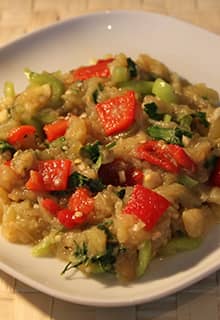
Manca
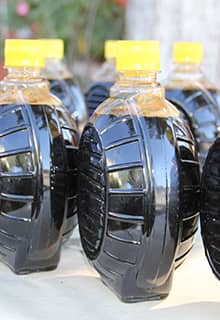
Molasses
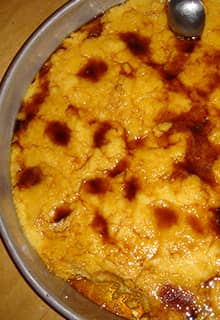
Pekmezli Kaçamak
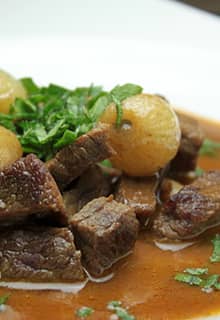
Papaz Stew
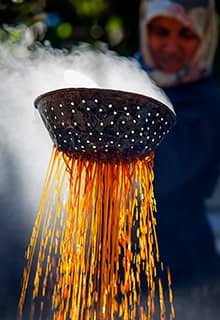
Molasses
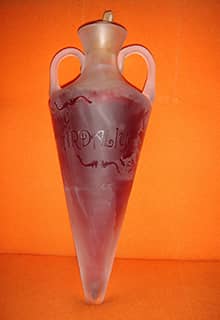
Hardaliye
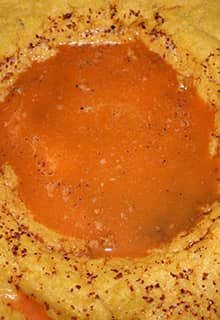
Pekmezli Kaçamak
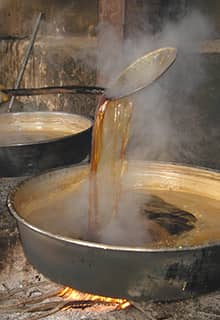
Molasses