
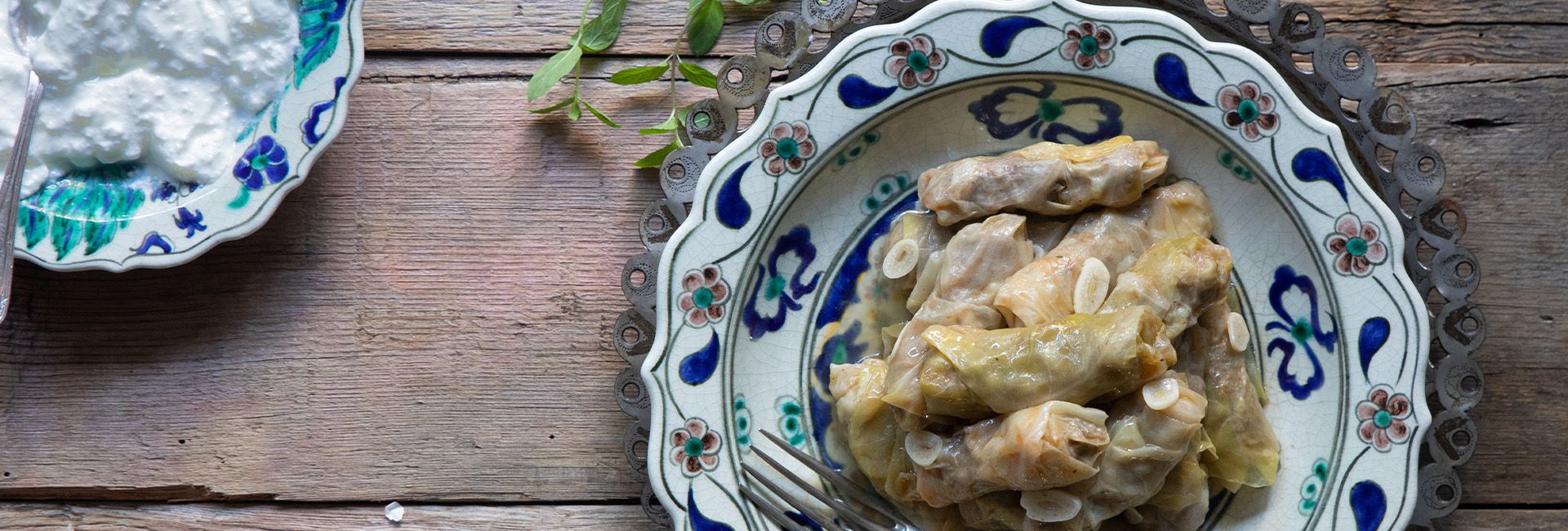
Hands That Roll, Hearts That Feed: The Legacy of Sarma and Dolma in Turkish Cuisine
Sarma and dolma are iconic delicacies of Turkish cuisine, renowned for their distinctive taste and aesthetic appeal. Often mentioned together, they represent two closely related yet distinct traditions within Turkish cooking. These recipes are more than just food because they are symbols of tradition, family, and love. Whether served at festive gatherings, holiday feasts, or quiet family dinners, sarma and dolma are prepared with patience and care, often becoming the centrepiece of the table. While they may share similar ingredients and appear on the same occasions, each follows its own method and culinary logic.In this blog, we will explore their rich history, regional variations, and the deeper meaning they hold in Turkish culinary culture.
The Origins of Sarma and Dolma
Sarma and dolma are deeply rooted in a rich culinary tradition that spans centuries, with origins and variations found throughout Anatolia, the Middle East, and the Balkans, regions once united under the Ottoman Empire. Under the influence of rich Ottoman cuisine, these recipes evolved into artistic culinary expressions. These dishes were served in palaces to Ottoman royalty and in homes with regional variations that included meat, rice, grains, olive oil, or dried fruit, depending on local tastes and traditions. Today, sarma and dolma continue to evolve by influencing new recipes. While they remain an essential part of Turkish culinary culture, they also create original dishes by blending tradition with modern gastronomy.
Inside the Layers of Sarma
Sarma is a renowned Turkish dish made from various ingredients, including grape leaves, cabbage leaves, or other leafy greens stuffed with a filling. Its name comes from the Turkish word sarmak, meaning "to wrap" or "to roll." The name of the dish refers to the technique used to prepare it. The filling, which includes rice, onions, fresh herbs, spices, and optionally minced meat, can vary depending on the region. Although its filling may change due to regional variations, the preparation technique of placing the filling inside the leaf and rolling it remains the same. Often served as a hearty main course, sarma is commonly enjoyed during festive occasions, family gatherings, and holidays.
What’s Hidden in Dolma?
The word dolma, derived from the Turkish dolmak (“to be stuffed”), simply means "stuffed thing". In Turkish, it also defines a dish made by stuffing vegetables such as green or red peppers, aubergine, zucchini, pumpkin, squash blossoms, and many other ingredients. Its filling is generally similar to sarma, containing the same ingredients such as rice, onion, sometimes meat, and other spices. Dolma is a feast for the eyes and the palate, with its aesthetic appearance, along with its authentic and rich taste. If you’re interested in gastronomy, you should adapt this dish to other vegetables to brighten up your table.
Sarma and Dolma Across Regions: Olive Oil or Meat?
Turkish culinary culture has a deep connection with the multicultural structure of Anatolia. These multicultural roots are also reflected in the regional variations of sarma and dolma. In different cities and regions of Türkiye, you can taste the distinctive versions of these dishes. In the Aegean, sarma and dolma are typically made with olive oil, currants, pine nuts, and rich spices like cinnamon. The Black Sea region features black cabbage rolls, a more bitter, earthier version of sarma. In the south, especially in Hatay and Gaziantep, you can taste a unique variation filled with a tangy mixture of rice, spices, and pomegranate molasses that reflects the region’s bold flavours with its sweet-sour balance. These regional variations of sarma and dolma recipes almost form a cultural map of Turkish cuisine. Each variation contains different ingredients that reflect the unique culinary cultures, and Turkish cuisine unites them all.
Plant-Based Pleasures: Vegan and Vegetarian Options
As mentioned, sarma and dolma refer to the making technique, and you can prepare these dishes by using many different ingredients. This legacy welcomes all people with different tastes and ethical values, as the Turkish culture does. There was a wide variety of sarma and dolma for vegans and vegetarians. From the olive-oil-based zeytinyağlı sarma (olive-oil-based stuffed grape leaves) to olive-oil-based stuffed squash blossoms, you can try authentic and distinctive veggie versions of these delicacies during your Türkiye trip. The cities on the Aegean and Mediterranean coasts will lead you to the most delicious plant-based sarma and dolma you’ve ever tried. Meet Turkish vegetarian cuisine through everyday dishes made with simple ingredients and plenty of care.
Traditions: Wrapped, Stuffed, and Embraced
Sarma and dolma involve several stages of preparation, and they can be seen as difficult to make due to the complexity of the process. As such, these dishes symbolise the love and affection for our loved ones, family members, or friends in Turkish culture. This is also why they are always present on the table during special occasions and holidays, and why they are prepared with such care. The effort involved in making them is considered an act of love, something one is willing to do only to bring happiness to those they care about. It is this deeper meaning that gives sarma and dolma a special place in Turkish cuisine.Sarma and dolma represent the colourful, multicultural, and authentic features of Turkish cuisine with their ingredients and aesthetic appeal. To discover the culinary traditions and local delights of Türkiye, you can check out this page: Turkish Cuisine.