
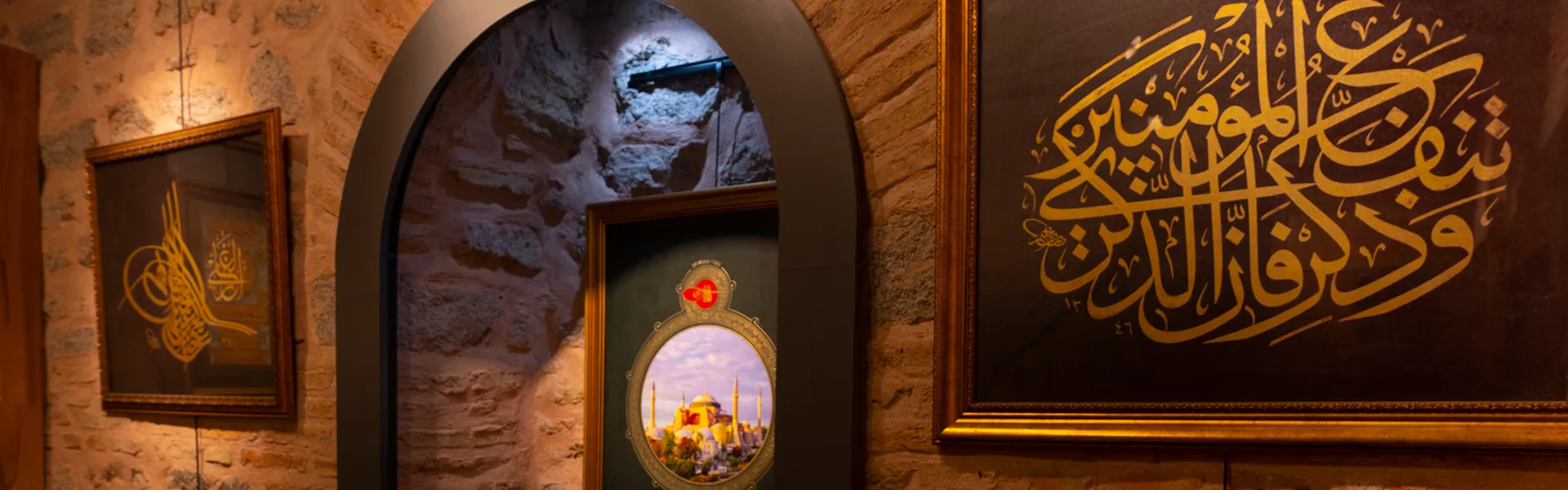
Islamic Calligraphy Art: Roots, Styles, and Cultural Influence
Islamic calligraphy art is not just a form of writing, but also a prominent part of visuality in the Islamic artistic tradition.As a subtle way of spiritual expression, calligraphy writing still plays a significant role in Turkish heritage. Moreover, it’s also inscribed on the UNESCO Intangible Cultural Heritage List.In this post, we’ll cover:o Historical roots of Islamic calligraphy arto Renowned Ottoman calligrapherso Styles and writing equipmento Calligraphy in modern Türkiye and more!Let’s start with the definition and how it evolved over the years.
History of Islamic Calligraphy Art
Islamic calligraphy art, known as “hat sanatı” in Turkish, is an ornamental writing technique, using Arabic script. This technique’s significance comes from conveying the beauty and power of the divine word of Allah (God). It was used in the Quran, court records, official decrees, and other important manuscripts.Even though the history of calligraphy goes back to the 10th-century Uighur Turks, it flourished and was perfected during the Ottoman Empire era. During that period, a special Ottoman calligraphy school was established in the Topkapı Palace. Gradually, Ottoman and Iranian masters improved their skills and techniques and helped this art reach wider audiences.The name given to the person who deals with the art of calligraphy is “hattat”. The renowned calligraphers are:o Ibn Muqlao Yaqut al-Musta'simio Sheikh Hamdullaho Seyyid Kasim Gubario Hâfiz Osman
Islamic Calligraphy Styles
Like other decorative Turkish arts, calligraphy encompasses different styles, each with its unique characteristics and purpose. Let’s break some of them down in detail.o Naskh (Regular Script): Characterised by its rounded letters and balanced proportions, this style is used for copying verses and manuscripts of the Quran. Naskh stands out with its readability and elegance.o Thuluth (Decorative Script): Thuluth features large, elongated letters with curves and flourishes. It stands out as an ideal script for decorative purposes in architecture and religious texts and is often considered the most artistic style.o Tughra (Imperial Signature): This style’s origin dates back to the 14th century during the Ottoman Empire. Its highly stylised form is used for the sultan's official seal or signature on royal documents.o Diwani: Diwani is a highly decorative and intricate style, featuring ornate, interwoven, complex ligatures. For this reason, Diwani’s execution requires exceptional skill to master. Originating in the Ottoman Empire during the 16th century, this style was used in the correspondence of the Ottoman court.o Kufic: As one of the oldest Arabic scripts, Kufic features an angular and geometric structure. This style of calligraphy was used in early Quran texts and architectural decorations.
Writing Equipment
Practising calligraphy art requires a specific type of equipment, including a special kind of reed pen, ink made from soot, and special papers. The reed pen, the main tool used in calligraphy, plays a central role in creating intricate shapes and gentle nuances.The ink, on the other hand, is produced by mixing oiled soot with additional substances, allowing the pen to flow easily. And the paper is made transparent with a special substance, absorbing the ink and ensuring smooth interaction with the pen.Other key pieces of equipment include:o Scissorso Lika (special silk added to ink)o Inkwell o Writing set o Pencil sharpener o Pencil boxo Stamp (a glass tool to flatten the paper)
Significance of Calligraphy for Turkish Culture
From religious edifices to artworks, education to home decoration, calligraphy holds an important place in cultural life. The most evident aspect is that writing is perceived as a “prayer” or an act of devotion, making this art a profound way of expression. Moreover, calligraphy requires a solid discipline and patience, proving the spiritual attitude of devoted calligraphers. Mosques, madrasas, and inscriptions are adorned with calligraphic works, making it a sacred signature. Beyond religious settings, you can witness how calligraphy's influence extends to daily life, including decorative home pieces, schools, and art collections.
Calligraphy in Modern Türkiye
After the adoption of the Latin alphabet in 1928, the use of calligraphy diminished. However, the art nowadays sees a revival and calligraphers seek new ways to merge traditional approaches with contemporary aesthetics.In modern Türkiye, you can see calligraphy in paintings, digital art, and home decor. Also, many workshops offer lessons where you can learn the basics of traditional calligraphy. To explore more about this inspiring art form, you can visit galleries or attend cultural festivals. Exhibition spots of calligraphy include: o Topkapı Palaceo İstanbul Turkish and Islamic Arts Museumo İstanbul Archaeology Museumso Galata Mevlevi Lodge MuseumTo wrap things up, Islamic calligraphy art is a symbol of religious expression and a significant part of Türkiye’s visual and cultural heritage. By learning more about this distinctive art, you can expand your cultural horizons with its broad and fun possibilities.Curious about Turkish arts? Check out our blog posts: Traditional Turkish Handicrafts and Their HistoryA Luminous Turkish Handicraft: Jewellery Design