
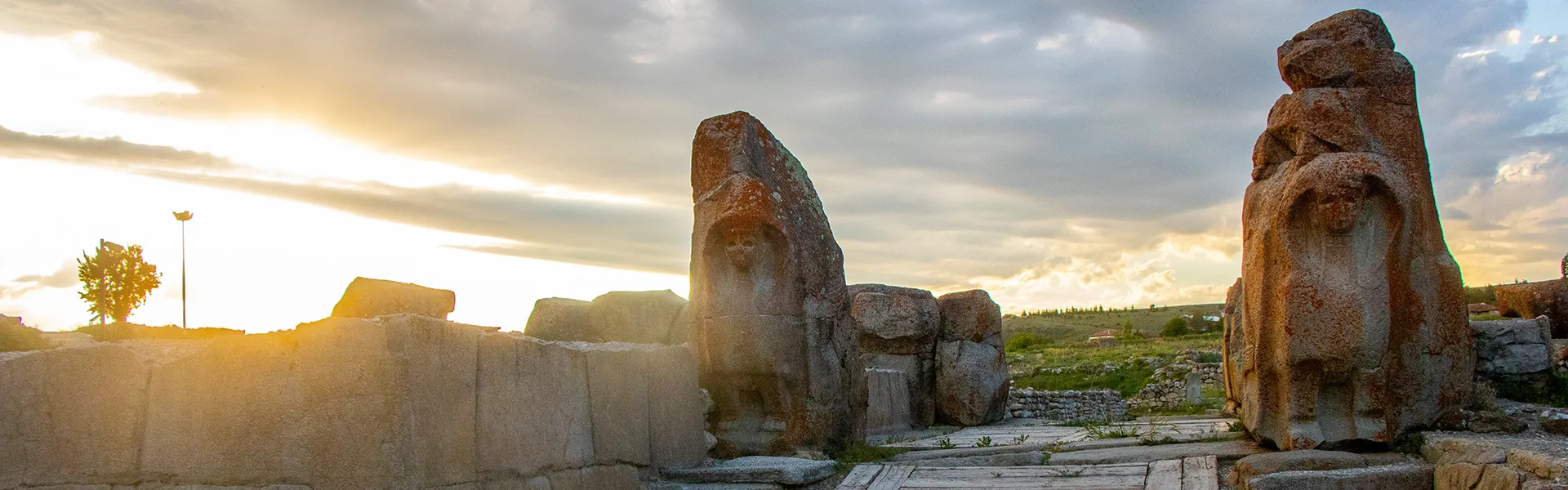
The Hittite Way: Trekking on the Trail of Anatolian Civilisations
The Hittite Way is a cultural and historical trekking route in Türkiye, situated in the heart of Anatolia, primarily within the borders of Çorum province. In this journey, you will be enchanted by the region's natural beauty while exploring the ancient civilisations that once called this land home.Throughout this blog, you'll follow the historical and natural attractions of the Hittite Way as you trace the footsteps of past civilisations.
About the Hittite Way
The Hittite Way is a long-distance trekking route which stretches through the modern provinces of Çorum and Yozgat. The route has been used since ancient times. In 2010, the municipality clarified its route and improved its organisation, and it has undergone continuous enhancements ever since.It follows the paths of the ancient Hittite civilisation, which flourished in central Anatolia between 1600 and 1200 BCE, and connects key archaeological sites such as Hattusha, the Hittite capital and a UNESCO World Heritage Site, and Alacahöyük. Combining history, nature, and local culture, the route offers hikers the chance to explore scenic landscapes and remnants of one of the world’s earliest empires. A journey through ancient Anatolian lands will enchant visitors with both the natural beauty and cultural depth.
Hiking and Trekking
The Hittite Way is one of the most popular and tranquil trekking routes in Türkiye. The trail covers approximately 236 km on its officially marked trekking tracks, and including all alternative routes, the total length is about 385 km. The area includes ancient sites such as Hattusha, Alacahöyük, and Yazılıkaya. The paths vary from easy village walks to more challenging mountain sections, offering hikers the chance to explore both natural beauty and the traces of one of Anatolia’s earliest civilisations.
Useful Tips for Hikers
The Hittite Way takes you on a captivating journey, but the trip must be well planned to fully enjoy the trekking or hiking experience. Here’s a short guide for hikers:o The trail has multiple marked routes, so plan your trip carefully based on your fitness and time. Visit the official website to see all the routes.o Check the weather to avoid being affected by Central Anatolia’s seasonal changes, which can be very hot in summer and cold in early spring or late autumn. o Carry enough water and snacks since some stretches are remote with limited access to shops or fountains. o You should pack light but smart, bringing sun protection, a hat, a first-aid kit, and trekking poles for uneven terrain. o As the region hosts many archaeological sites from the Hittite civilisation, visitors must be careful to respect these sites and avoid touching or climbing on them. o For accommodation options, you can stay in local villages where guesthouses and homestays offer authentic food and cultural experiences. Paying attention to these small tips will make your walk along the Hittite Way a much more enjoyable and rewarding experience. If you’re ready, it’s time to begin your journey through history.
Natural Wonders Around the Route
The Hittite Way leads through striking natural landscapes where deep canyons carve the earth and peaceful valleys stretch beneath wide skies. You can discover the natural and untouched beauty of rural Anatolia, with its rich history along every step of the trail.o İncesu Canyon: A scenic natural area along the trail, featuring rock formations, pathways, and traces of ancient settlements.o Budaközü Valley: The valley is a peaceful area for birdwatching and enjoying the rural landscape of the trail.Once traversed by ancient peoples, these two natural wonders now invite you to continue your journey across the lands of Anatolia. Walking through these landscapes, you follow in the footsteps of history while embracing the timeless beauty that surrounds you.
Archaeological Sites Located on the Trail
The Hittite Way embraces remarkable archaeological sites that belong to the Hittite civilisation. Ancient sites within the borders of the trail can be listed as:o Hattusha: The capital of the Hittite Kingdom and the heart of the route, hosting monumental gates like the Lion Gate and King’s Gate, as well as direct access to the Yazılıkaya sanctuary.o Yazılıkaya: An open-air rock sanctuary just outside Hattusa, one of the most sacred Hittite religious sites, covered with detailed reliefs of gods and kings.o Alacahöyük: A major archaeological stop on the route, famous for its Sphinx Gate and royal tombs from both the Hatti and Hittite periods.o Şapinuwa: A Hittite administrative and religious centre, where thousands of cuneiform tablets were discovered.o Boğazköy Museum: Located directly on the route, displaying artefacts excavated from Hattusa and surrounding sites.The Hittite Way is not only a trekking trail but also a remarkable route that connects key archaeological sites of the ancient Hittite civilisation, passing through several significant locations integral to its path.You can visit the archaeological sites where these societies once lived and explore the remnants that reveal their daily lives and cultures. Some of them are exhibited in open-air sites, but you can find the artefacts excavated from these areas at museums in the city centres.
Nearby Historical Attractions
Outside the borders of the Hittite Way, there are also various remarkable cultural routes which reflect the cultural depth of Anatolian lands. After your trek or hiking through the trail is completed, you can visit these archaeological sites nearby:o Oluz Höyük (near Amasya): A multi-layered mound influenced by Hittite culture, located outside the main route but within the broader region.o Kerkenes Remnants (near Yozgat): A large Phrygian mountain-top city dating after the Hittites, geographically close but not part of the main trekking path.o Eflatunpınar (Konya): A striking Hittite spring monument far south of the route, historically linked to Hittite art and symbolism but not geographically connected to the trekking route.
Exploring Local Culture
Along the route, you will pass through small villages and experience traditional Anatolian life. Visitors can enjoy homemade meals and see local crafts, gaining insight into a living culture that continues alongside the ancient Hittite heritage.o Local Delicacies: Stay in local guesthouses and taste traditional dishes such as keşkek, handmade noodles, and oven-baked bread.o Handicrafts: Meet artisans producing woven textiles, pottery, and stonework.o Festivals: Small-scale cultural and nature festivals celebrating Hittite heritage and rural traditions.After a challenging and exciting trekking adventure, this warm welcome will embrace your soul. This enduring connection between past and present makes the Hittite Way not just a journey through history, but a living experience of Anatolia’s deep-rooted heritage.The Hittite Way and its timeless landscapes transport visitors to the heart of ancient Anatolia. To truly experience its blend of history, archaeology, and nature, set out on the trails that wind through the Hittite heartland. For more, check out our page about Çorum.