
Filigree Art and Traditional Shawls of Anatolia
Türkiye’s cultural identity has long been expressed through its crafts, where jewellery, textiles, and everyday objects carry stories of tradition and skill. Among these, filigree art and traditional shawls stand out as two of the most recognisable symbols of Anatolian heritage. Both combine functionality with artistry, using simple materials, precious metals, silk, and wool, to create objects that are not only beautiful but also deeply meaningful. Today, these crafts continue to shape personal style while connecting wearers to centuries of history and culture.
A Delicate Jewellery Technique: Filigree Art (Telkâri)
Filigree art is a traditional craft that involves melting precious metals, such as silver, gold, and bronze. These metals are drawn into very thin strands, which are then twisted, coiled, or soldered together with tools like pliers. The result is delicate and detailed ornaments that form filigree jewellery, including rings, earrings, necklaces, and bracelets. The history of filigree is extensive and closely linked to Anatolia and Mesopotamia. From around 3000 B.C.E., filigree became a continuous and vibrant part of cultural expression in these regions. In modern times, filigree is strongly associated with Mardin, where it has become a symbol of local heritage. In Syriac culture, the craft has been preserved for centuries through the master-apprentice tradition. Its designs are characterised by fine wires arranged into intricate and precise patterns, giving each piece a unique identity. Today, artisans in Mardin continue to practice filigree, ensuring the survival of a craft that remains a source of cultural pride for the community. Türkiye has a wide range of traditional handicrafts. Further Reading: Traditional Turkish Handicrafts and Their History
Materials and Techniques Used in Filigree
Filigree begins by melting metals such as silver, gold, or bronze and drawing them into fine wires, often no thicker than a strand of hair. These wires are carefully rolled or hammered to ensure uniform thickness before shaping. The artisan then cuts the wires into short lengths, depending on the design, and starts forming them into coils, spirals, and other small shapes using fine pliers or tweezers. Each element is positioned on a base or frame, and the pieces are secured together with solder, a melted metal that acts as a strong adhesive. This step requires controlled heat, enough to bond the wires without melting the design.Once the wires are secured, the surface is cleaned and polished to enhance the metal's shine. The process allows for a high level of variation, depending on the material. Silver, being softer, requires slightly thicker wires to prevent breaking, while gold can be stretched into thinner strands for more intricate patterns. Bronze is more complicated and less flexible, so the designs are usually simpler. What all filigree has in common is the precision it demands; every curve must be placed correctly, as even a small error during soldering can ruin hours of work. Although modern tools can speed up the process, the essential method remains the same: melting, drawing, shaping, and soldering wire by hand until the design is complete.
The Place of Traditional Shawls in Anatolian Culture
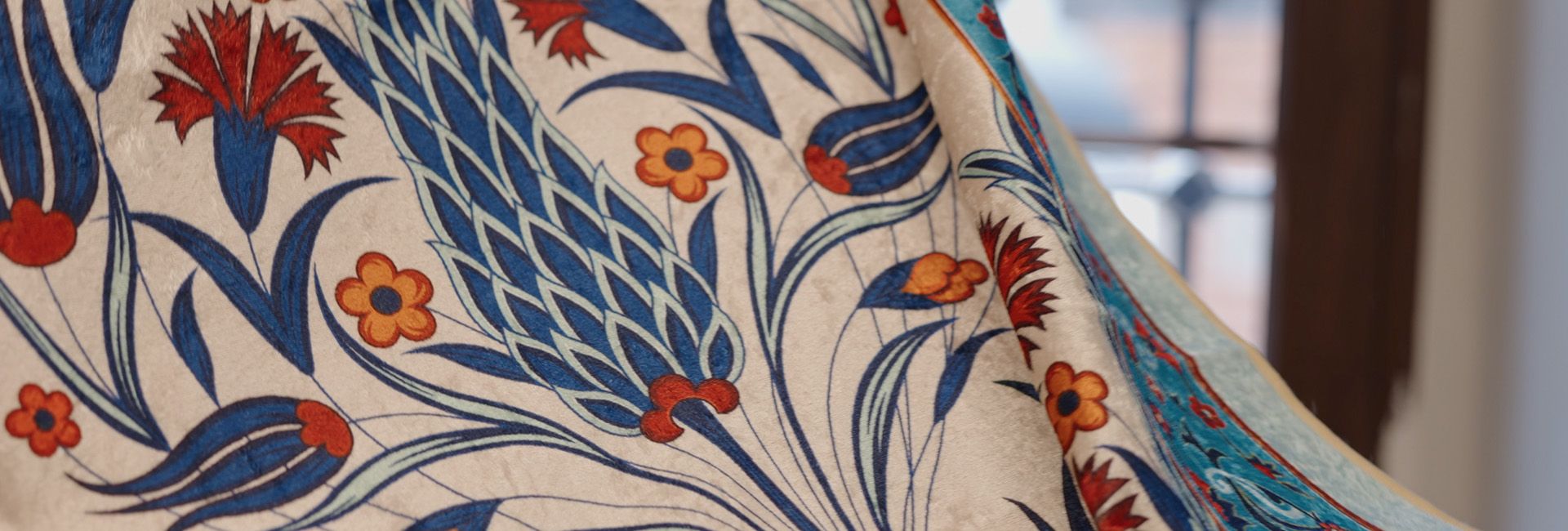
Shawls hold a vital place in Turkish and Anatolian culture. A traditional shawl is usually crafted from silk or wool and designed to cover the neck, shoulders, and chest. These shawls are frequently embellished with traditional symbols and patterns that carry cultural significance. How shawls are worn differs between men and women. The motifs in traditional shawl designs also hold symbolic meaning. For instance, wheat ears are often used as symbols of abundance, while floral patterns represent affection. These designs contribute both decorative and cultural value to the garment, transforming each shawl into an object that reflects community traditions.
Reflections of Handicraft in the Fashion World
In recent years, the global and Turkish fashion industry has increasingly focused on sustainability, with handicrafts like filigree and traditional shawl-making gaining renewed recognition within this framework. Unlike mass-produced items, handmade pieces are crafted slowly, with careful attention to both material and technique. This slower pace of production not only reduces waste but also supports a fashion model based on durability and long-term value rather than rapid consumption. In Türkiye, these crafts also directly contribute to the livelihoods of local producers. Small workshops in cities such as Mardin, specialising in filigree, and in Anatolian towns producing shawls, enable artisans to continue their trades, offering income sources that strengthen regional economies. Supporting these producers helps keep local businesses active and reduces reliance on imported, factory-made products. Equally important is the role of traditional masters in passing knowledge from one generation to the next. These individuals possess decades of skills that machines cannot replicate. Encouraging young artisans to learn directly from them helps preserve traditions that are at risk of being lost under modern pressures. For example, a filigree master working in a small workshop not only preserves technical expertise but also maintains a cultural identity rooted in Türkiye’s history. Similarly, shawl weaving and embroidery techniques reflect regional customs that continue to shape the country’s cultural fabric. By supporting these masters, fashion brands and consumers contribute to a living chain of heritage.The safeguarding of unique handicraft traditions also aligns with broader environmental and cultural objectives. Handwoven shawls utilise natural fibres such as silk and wool, reducing dependence on synthetic materials. Filigree relies on recyclable precious metals, which can be repurposed without losing quality. Together, these practices embody a sustainable approach that respects both the environment and cultural continuity. As fashion becomes increasingly global, the inclusion of Turkish handicrafts demonstrates how traditional methods can coexist with modern design. Their survival depends on active recognition, investment in local production, and a conscious consumer choice to value authenticity over uniformity. This not only strengthens Türkiye’s cultural heritage but also positions it as a contributor to a more sustainable global fashion industry.