
Traditional Cheese Varieties of Hatay
Hatay embodies a unique and antique culinary culture, blending with the salty scent and deep blue hues of the Mediterranean. The unique flavours of Hatay, one of Türkiye’s most special cities of gastronomy, joined UNESCO’s Creative Cities Network in 2017. Hatay’s traditional cheeses are among the most distinctive elements of its cuisine, matured using ancient preservation methods and enriched with the abundant spices, reflecting the deep traditions and artisanal craftsmanship of the region.
A Cheese-Making Tradition Comes from Antiquity
Hatay’s fertile land on the coast of the Mediterranean has hosted various civilisations and societies from ancient times to modernity. This cultural mosaic, shaped by the intersection of diverse cultures, creates a distinctive and colourful culinary culture. As the central district of Hatay, Antakya has long played a key role in shaping the region’s culinary traditions. Antakya (Antioch) was a prominent urban centre during the Eastern Roman (Byzantine) period, where salty and spiced varieties of cheese were especially favoured, as they were well-suited to long journeys and the demands of a hot climate. Therefore, a unique cheese-making tradition has been developed to preserve cheese varieties for longer in this region. Through the passing down of this tradition as a heritage, a variety of unique cheeses with distinctive flavours have reached us today. These varieties, blended with spices and fermented in different ways, offer a combination of rich flavours for gastronomy enthusiasts. Let's discover the ancient origins and unique flavours of Hatay cheese varieties, including Carra, Sürk, Küflü Sürk, and Sünme (Künefe), which are recognised with geographical indication status.
Sürk Cheese
This tradition led to the creation of Sürk cheese, a highly spiced, long-lasting cheese product that could be preserved without spoiling. It is the collective memory and heritage of the people of Hatay, which is why it varies from one society to another. It holds a geographical indication and is one of the city’s most distinctive gastronomic symbols. Sürk cheese is made from curd cheese, olive oil, and various local spices, including thyme, za'atar, allspice, cumin, and cinnamon. This traditional cheese is kneaded, shaped, and dried in the sun. It can be enjoyed on a slice of toast, sometimes with butter, for breakfast or served as a meze at dinner.
Moulded Sürk Cheese
Moulded Sürk cheese is made by mixing the regular Sürk with specific local herbs and allowing it to mature in conditions that encourage the growth of natural moulds on its surface. This mould ageing gives the cheese a distinctive aroma, a more complex and intense flavour, and a richer texture compared to the regular version. Essentially, it is a special variety of Sürk cheese with enhanced flavour and character due to controlled mould fermentation. This cheese is typically enjoyed as part of breakfast spreads or appetisers, often paired with olive oil and fresh bread, and holds a protected geographical indication, highlighting its cultural and regional significance in Hatay’s rich dairy tradition.
Antakya Carra Cheese
Carra cheese is a matured and traditional cheese, made mostly from sheep or goat’s milk, unique to Hatay cuisine. It is also one of the city’s gastronomic delights, recognised as a registered geographical indication. This cheese type from Hatay gets its name from the stone or earthenware jars in which it is traditionally aged. Fresh cheese is matured in earthenware jars called carra, typically with nigella seeds, salt, and olive oil. Over time, it ferments as air passes through the porous surface of the jar. It has a firm, crumbly texture with a sharp, salty, and tangy flavour. Carra cheese can be eaten at breakfast or served as a meze at dinner.
Sünme Cheese
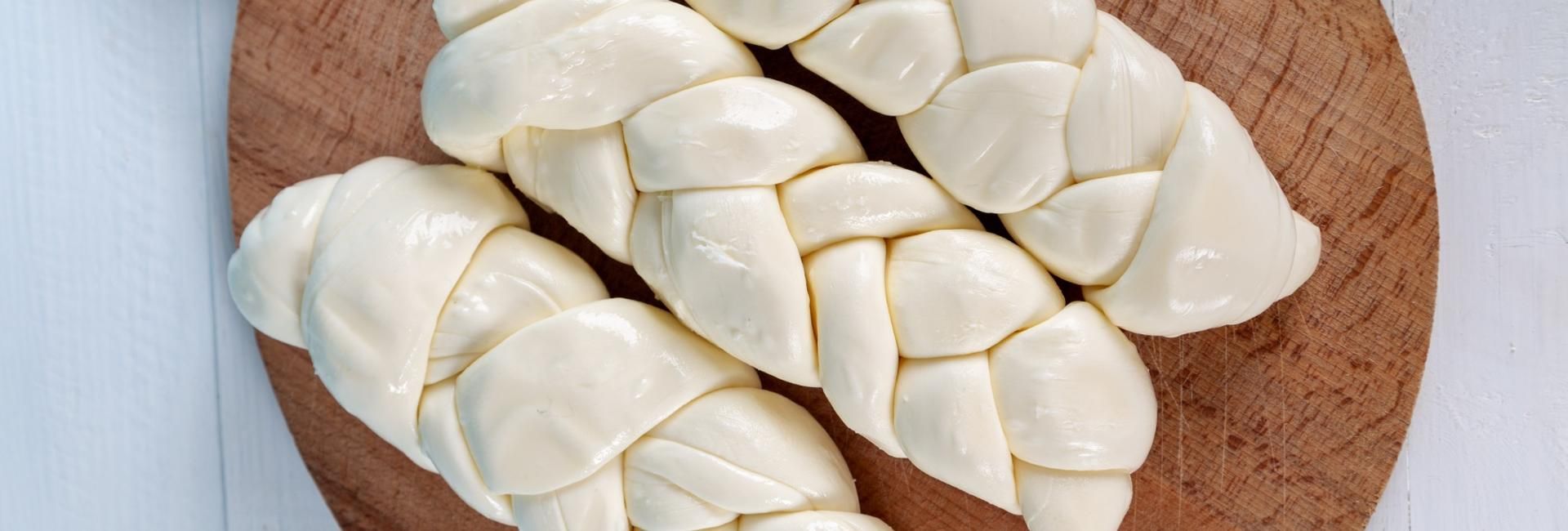
Künefe cheese is a fresh, unsalted, and stretchy cheese specifically produced for künefe, Hatay’s famous dessert. This cheese melts easily but retains its elasticity, creating the famous gooey texture at the heart of the dessert. Mild in flavour, it perfectly balances the syrupy richness of the dessert. Together, these cheese varieties reflect the authenticity and artisanal quality of Hatay's traditional culinary culture. Although other local, unsalted cheese varieties with similar textures can be used in the dessert, Künefe cheese with its geographical indication from Hatay stands out with its distinctive flavour.
Salty Yoghurt
An additional product to these traditional cheese varieties worth mentioning is Hatay’s famous salted yoghurt. While not technically a cheese, its texture closely resembles one. It is made by slowly boiling fresh yoghurt with salt until it thickens into a dense, tangy, and salty spread that can be stored for months without refrigeration. Unlike cheese, it is produced by concentrating and preserving yoghurt rather than curdling milk, giving it a unique flavour and texture that is widely used in Hatay cuisine. Due to its texture, it is also referred to by the people of Hatay as “yoghurt cheese.” It is used by spreading on bread, mixing into salads like kısır, or adding to soups and stews. Recognised with a geographical indication, salty yoghurt reflects the region’s rich culinary heritage and traditional methods of dairy preservation. Hatay's culinary culture is waiting to be discovered, with its authentic and uniquely rich cuisine that reflects centuries of tradition and cultural diversity. Visit our Hatay page to learn more about the history, culture, and architecture of the city.