
6 Unmissable Mountains in Türkiye
Ağrı Dağı - Mt Ararat
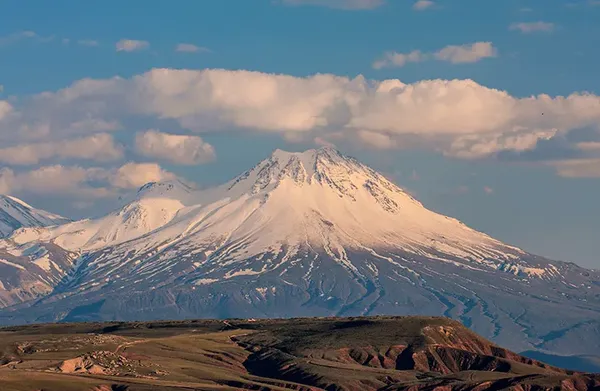
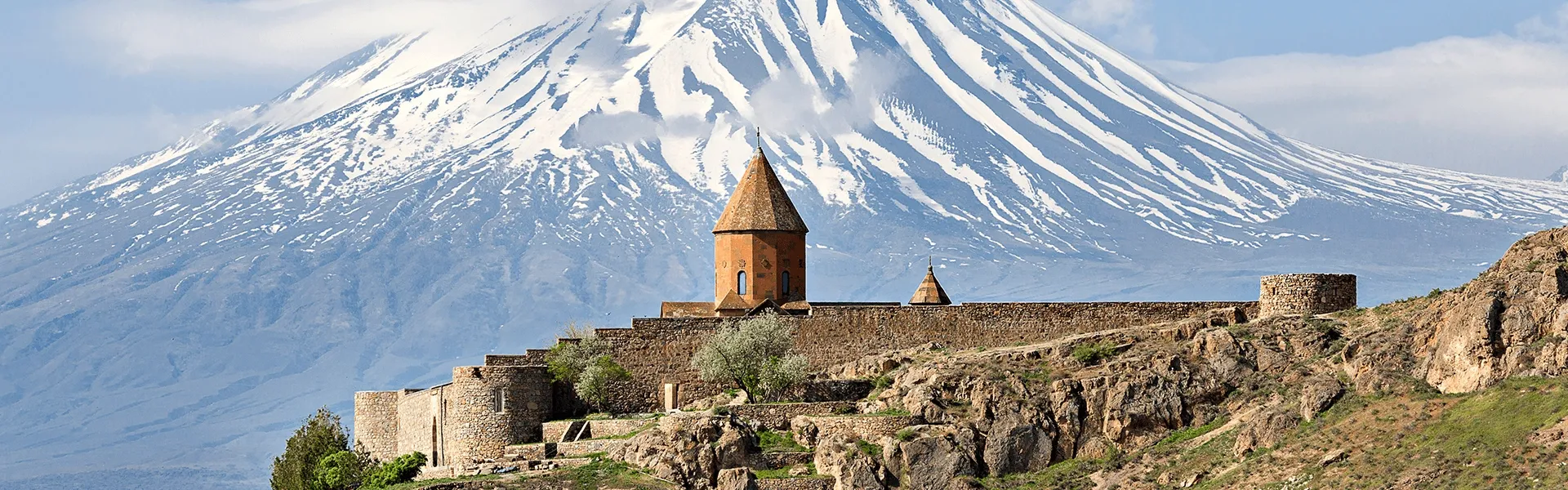
Mt. Ararat is in fact a system of 2 mountains, lesser Mt Ararat and greater Mt. Ararat. Both are dormant, compounded volcanoes. Greater Mt Ararat is the highest mountain in Türkiye, standing at an elevation of 5,137 m (16,854 ft). Lesser Mt Ararat stands at 3,896 m (12,782 ft). These mountains have a long and illustrious history and are held sacred by many as the recorded site of Noah’s Ark. The first to ascend the peak was Professor Frederick Von Parat on October 9th, 1829. The second ascent came over 140 years later when the former president of the Turkish Mountaineering Federation, Dr. Bozkurt Ergor reached the summit on 21 February 1970, sparking a wave of climbers in the 1980s, ultimately leading to a ban on climbing the fabled peak. This ban was lifted in 1998 and climbs are now permissible only up certain faces of the mountain due to the necessity of maintaining open communication channels with the brave souls who dare to attempt the ascent. Climbing is best in July-September though winter climbs are also possible. Only experienced climbers with appropriate equipment should attempt the full trek. For those who’d rather watch from the sidelines, the nearby town of Dogubeyazit is charming no matter the season and is close to Ishak Pasha Palace amongst other historical sites.
Erciyes
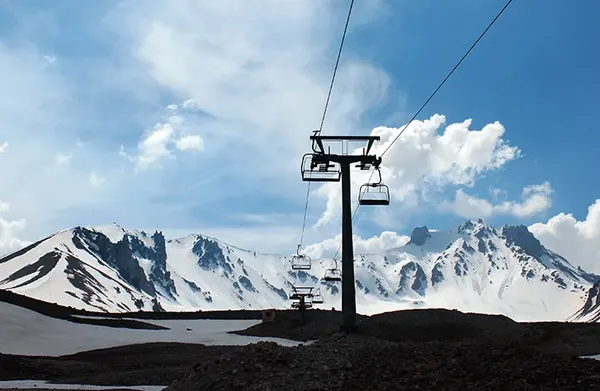
Rising 3,917 m (12,851 ft) above the city of Kayseri, Mt. Erciyes is the highest peak of Central Anatolia and a dormant stratovolcano, known as Argaeus in antiquity. Its ancient eruptions blanketed the region in volcanic ash, which over time was carved into the fairy chimneys and valleys of nearby Cappadocia, only about an hour away. In winter, the treeless slopes turn Erciyes into one of Türkiye’s leading ski destinations, with modern lifts climbing above 3,000 m and runs for all levels on the volcano’s northern and eastern flanks. The ski season generally runs from December to April. In summer, the mountain is a favorite for hiking and climbing, and the summit rewards trekkers with sweeping views over the Anatolian plateau. Erciyes lies roughly 25 km south of Kayseri, so it is easy to combine with a taste of the city’s famous pastırma (cured beef).
Palandöken
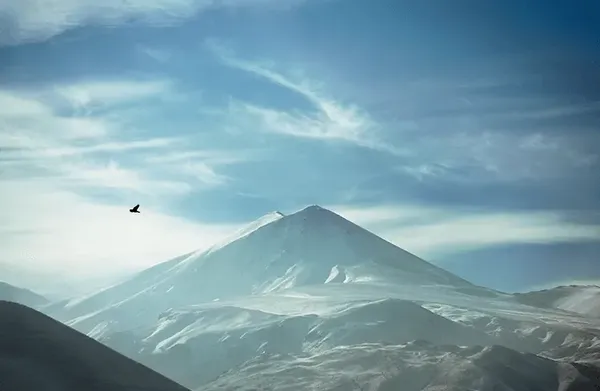
Only a few kilometers from the city center of Erzurum, Mt. Palandöken (3,271 m / 10,732 ft) is one of the most accessible ski mountains in the country. The Palandöken Ski Center, whose runs start at around 2,200 m and climb to the 3,176 m Ejder (“Dragon”) Peak, is known for reliable snow and for having the longest ski slopes in Türkiye, including a run of about 12 km with a vertical drop of roughly 1,100 m. Together with the neighboring Konaklı resort, it hosted events of the 2011 Winter Universiade and today operates as the Ejder 3200 World Ski Center. The ski season typically lasts from December to mid-April, and night skiing is available. After a day on the slopes, head down to Erzurum to try cağ kebab, a local specialty.
Kaçkar
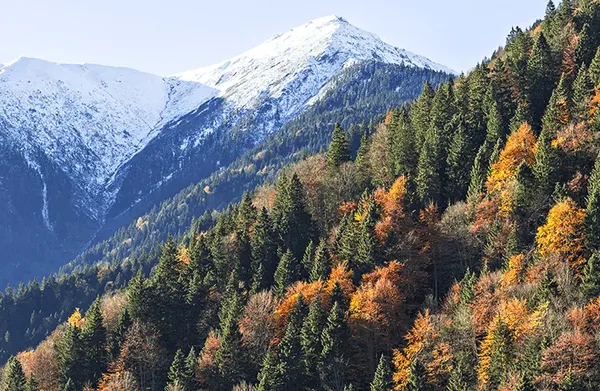
The highest peak of the Kaçkar Mountains, Mt. Kaçkar rises to 3,937 m (12,917 ft) above the Black Sea coast near Rize, making it the highest summit of the Pontic range. Part of the Kaçkar Mountains National Park, established in 1994, the area is a glaciated alpine landscape of steep rocky peaks, numerous glacial lakes, wildflower-filled meadows and traditional highland (yayla) settlements such as Ayder and Pokut. It is one of the best trekking regions in Türkiye, with multi-day routes linking the peaks of Kaçkar, Altıparmak and Verçenik. The best time to trek is from June to September, and the Black Sea side of the range offers the easier approach, with the town of Çamlıhemşin as the usual starting point. Visitors should be ready for fast-changing weather, as this is one of the wettest corners of the country.
Uludağ
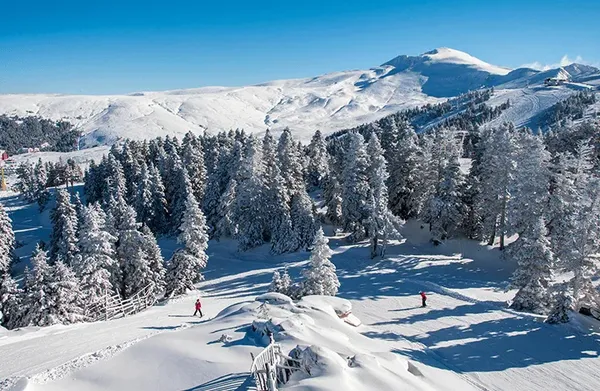
Located 36 km south of Bursa, Uludağ (“Great Mountain”) rises to 2,543 m (8,343 ft) and is the highest mountain of Western Anatolia and the Marmara region. Known as Mysian Olympus in antiquity, it is said in Greek mythology to be the place from which the gods watched the Trojan War. The mountain was declared a national park in 1961, protecting dense forests, alpine meadows and a rich variety of flora and fauna. Uludağ is one of Türkiye’s most popular winter sports centers, and the ski area, which sits between about 1,750 m and the summit, is at its best from late December to late March. In summer, the same slopes are used for trekking, camping and picnicking. Visitors can reach the national park by road or take the Bursa cable car up the mountain, which makes Uludağ an easy escape from the city.
Demirkazık
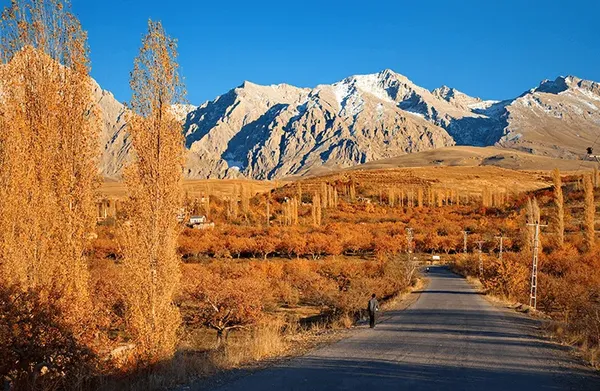
Demirkazık (“iron post”) is the best-known peak of the Aladağlar in the Central Taurus, rising to 3,756 m (12,323 ft) in Niğde’s Çamardı district. The Aladağlar became a national park in 1995 and are considered one of the premier mountaineering and rock-climbing destinations in Türkiye, with a landscape of sharp limestone ridges, glacial lakes, deep valleys and waterfalls such as Kapuzbaşı. The park is also rich in endemic plants, with around 1,300 species recorded, many of them found only here. The first recorded ascent of Demirkazık took place in July 1927. Today, routes range from trekking to technical climbs, and the best season is from June to September. The villages of Demirkazık and Çukurbağ serve as the usual bases, and the area can be reached from Niğde or Kayseri, making it an easy add-on to a Cappadocia trip.
Süphan
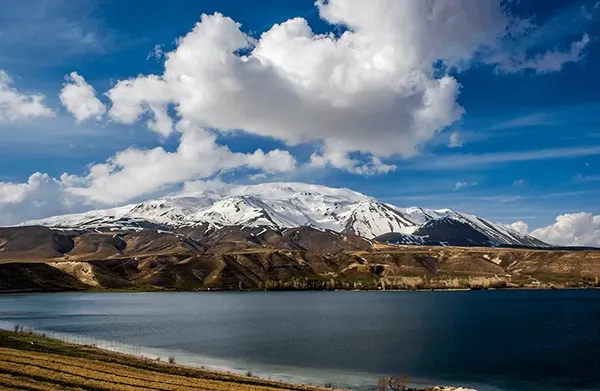
Mt. Süphan is a dormant stratovolcano on the northern shore of Lake Van, on the border of Bitlis and Ağrı provinces. At 4,058 m (13,314 ft), it is the third-highest mountain in Türkiye and the second-highest volcano after Ararat. The summit crater holds two small lakes, and from the top climbers enjoy views across Lake Van and the plains of Eastern Anatolia. The usual ascent starts near Adilcevaz, a town known for its ancient mosques, Urartian ruins and walnuts, and can be done in one to three days; water is scarce on the route, so come prepared. The best season for climbing is summer, roughly June to September, and climbers should go with a local guide. Süphan is far less visited than Ararat, which makes it a rewarding choice for those seeking a quiet high-altitude adventure.