
Heart-warming Thermal Spring Waters and Traditional Handicrafts
55km southwest of Bandırma, Gönen is one of Türkiye’s most important thermal resorts. The fact that the springs were used even in Roman times is evident from a 5th-century mosaic from what was originally a Roman bath. The waters come from 500 m below ground, surfacing with a temperature of approximately 82°C.
Sındırgı lies at the base of the Alaçam Mountains (Alaçam Dağları) amid beautiful forests and meadows in a region popular for the weaving of superb Turkish carpets. The rugs of Yağcıbedir are among the most valuable and unique in the country.
Sındırgı Thermal Springs
Sındırgı Thermal Springs is a unique wellness center located in the Balıkesir province, where 57% of the land is covered with forests, and is home to two extreme thermal water sources the hottest and the coldest in Türkiye. Emendere Thermal Springs, with a source temperature of 37°C, offers healing for skin diseases, particularly psoriasis, eczema, and diabetic wounds, thanks to its high selenium and radon content, therapeutic mud, and indigenous doctor fish, while also offering relief for asthma patients with its surrounding red pine forests. The district's other main source, Hisaralan Thermal Springs, at 98°C, is highly effective in treating chronic back pain, osteoarthritis, fibromyalgia, and rheumatic diseases due to its rich mineral and high fluoride content; it is also one of the region's most prominent geothermal formations with the rare travertine deposits and living stalagmites it creates along the hillsides. Providing easy access with its proximity to major metropolitan areas like Istanbul, Izmir, and Bursa, Sındırgı stands as a multifaceted attraction that brings together wellness, cultural, and nature tourism, featuring year-round operational thermal hotels, the world-famous geographically indicated Yağcıbedir Carpet, water sports on the Çaygören Dam, and various outdoor activities.
Gönen Thermal Springs
Gönen Thermal Springs known in antiquity as Asepsus, later as Artemea due to its hot springs, and today as a certified "Thermal Cure Center" is a world-renowned destination. Having served as a frequent destination for rulers and nobles throughout history, the region is also noted in Evliya Çelebi’s Seyahatname (Book of Travels) as a well-kept city where Bursa’s royal family members and elites would visit during summers to find healing. Emerging from the foothills of the mountain from a depth of 275 meters, the 73°C thermomineral water possesses a rare purity and clarity, completely unmixed with atmospheric waters. Endorsed by the Ministry of Health, these therapeutic springs are utilized for both bathing and drinking cures, yielding high success rates in the treatment of rheumatological diseases like ankylosing spondylitis, rheumatoid arthritis, osteoarthritis, and hernias, as well as the rehabilitation of orthopedic sequelae following fractures or surgeries, and neurological disorders like stroke. Combining its refreshing, non-stifling climate dominated by northern winds and its social amenities with personalized treatment programs overseen by a specialized "Spa Physician" (Badearz), Gönen stands as a modern wellness center providing year-round service, with easy access to major metropolitan areas such as İstanbul, Bursa, and İzmir.
Bigadiç Thermal Springs (Hisarköy)
Bigadiç Thermal Springs (Hisarköy) is a well-established healing center in Balıkesir, built upon the ruins of a large ancient city dating back to the Roman period and subsequent eras. Highlighted by renowned researchers as potentially one of the hottest water sources in the world, this thermal region stands out for its high radioactivity, alkalinity, and rich mineral structure. The sulfurous and chalybeate (iron-rich) hot waters (58°C - 75°C) in the area are utilized in the form of bathing cures and mud applications to treat rheumatism, skin diseases, and gynecological disorders, while the bitter and carbonated waters play an active role in relieving gastrointestinal ailments and indigestion. Covered by a dense blanket of steam in cold weather that creates an iconic landscape, Hisarköy remains one of the region's most unique thermal destinations with its diverse water sources and historical heritage.
Sarımsaklı Beach
Sarımsaklı Beach, located in the Ayvalık district of Balıkesir, is one of the Aegean's most famous and longest coastlines, stretching approximately 7 kilometers. The most prominent feature that makes the beach unique is its special fine sand, which does not stick to the body and is known to be beneficial for joint pain. Featuring a generally crystal-clear, calm, and shallow sea, the beach offers a highly safe environment, especially for families with children.
Offering a rich infrastructure with its expansive sandy beach, water sports opportunities, and hotels, cafes, and restaurants lined along the coast, Sarımsaklı is one of the most ideal marine tourism centers in the Northern Aegean—further enhanced by its proximity to central Ayvalık, Cunda Island, and Şeytan Sofrası (Satan's Feast), which is renowned for its unparalleled sunset views.
The Balıkesir Pullu
The Balıkesir Pullu (Balıkesir Pullusu) is a geographically indicated registered traditional women's garment and embroidery art that holds a very special place in the Turkish handicraft tradition with its deep-rooted history and eye-catching elegance. Entirely handcrafted usually on heavy silk satin, velvet, or atlas fabrics, this special craft takes its name from the sequins (pul) and coiled wires (tırtıl) extensively used in its ornamentation. The most defining characteristic of the Balıkesir Pullu is the combined use of sequins, coiled wires, and silver threads (sim) to create an almost embossed texture on the fabric surface, adorned with heavy craftsmanship reminiscent of palace embroideries that leaves no empty space without a motif. Originally inspired by palace attire and designed for the most special ceremonies such as henna nights and weddings, this unique garment today is far more than just clothing; it is a highly precious cultural heritage gracing young women's dowries, passed down from generation to generation as a living artistic symbol of the city.
The Yağcıbedir Carpet
The Yağcıbedir Carpet (Yağcıbedir Halısı) is a world-renowned, geographically indicated registered masterpiece of Turkish weaving art, crafted for centuries primarily in Balıkesir's Sındırgı district, as well as Bigadiç and Kepsut, and distinguished by its deep-rooted history and unique philosophy. Taking its name from the Yağcıbedir Yoruks who settled in the region, this special carpet is entirely handcrafted from pure sheep's wool colored with natural root dyes, using the "Turkish knot" (Gördes knot) technique to achieve an exceptionally dense texture. The most defining characteristics of the carpet—where weavers meticulously embed their joys, sorrows, and beliefs into every single knot—are its characteristic color palette of navy blue (gök), dark red (al), brown, and white, alongside geometric motifs such as the "saddlebag pocket," "sun," "star," and "crane’s foot." Its colors brighten and shine even more over time rather than fading, making the Yağcıbedir Carpet both a cultural treasure bringing the living history of Anatolia into homes and one of the city's most important symbols with international prestige.
Gönen Needle Lace
Gönen Needle Lace (Gönen İğne Oyası) is a geographically indicated registered handicraft passed down from generation to generation in Balıkesir's Gönen district, holding a very special place in the world of Turkish handicrafts with its elegance and mastery of knotting techniques. Produced in Gönen, known as the "capital of needle lace," where women meticulously knot silk or cotton threads like digging a well with a needle, this art form is unique as the only type of lace in the world made exclusively using a needle. The most defining characteristic of Gönen Needle Lace is that its three-dimensional, nature-inspired motifs of flowers, leaves, and fruits are shaped in highly realistic forms with a characteristic structure that stands upright without bending. Originally used only to adorn dowry chests, headscarf edges, and room sets, this unique craft today also inspires modern fashion and accessories, standing out as one of the most elegant symbols carrying the city's cultural identity, aesthetic sense, and women's labor into the future.
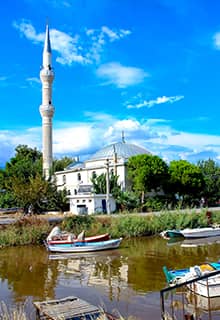
Akçay
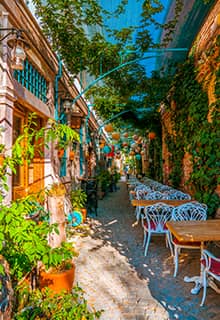
Cunda Island
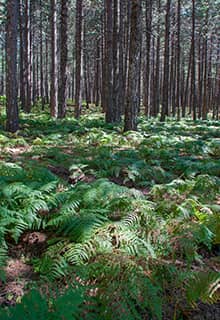
Mount Ida
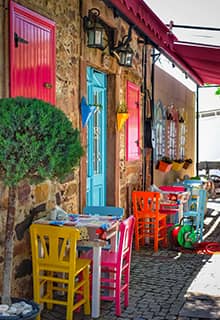
Cunda Island
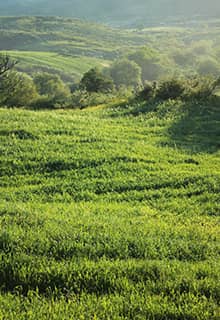
Spring in Demirkapı
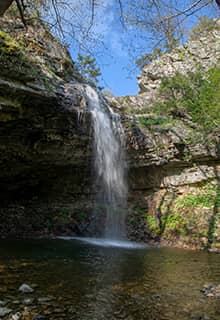
Mount Ida
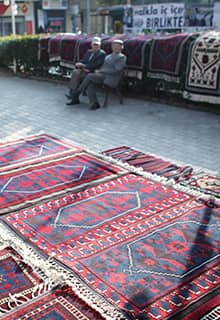
Yağcıbedir Carpets
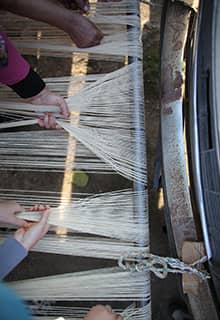
Yağcıbedir Carpets